




What's Happening?
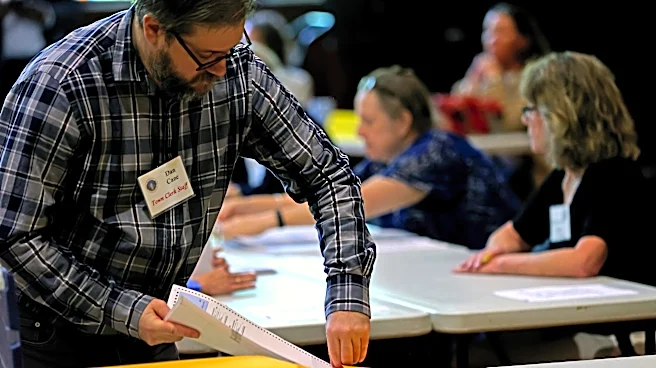
Elections were held in 209 municipalities across Tennessee on November 3, 2026, coinciding with state and federal general elections. These local elections resulted in a significant number of changes, with many newcomers unseating incumbents and several
open seats being filled. For instance, in Bartlett, newcomer Cynthia “Cindy” Cromwell unseated incumbent Robert Griffin for Alderman Position 2. In Ardmore, Alderman Jason Sherman defeated incumbent Mike Magnusson for the mayoral seat. Johnson City saw newcomers Pete Paduch and Dave Adams unseat incumbents Jenny Brock and Whitney Calhoun Goetz for two open commission seats. Similarly, in Jonesborough, Michael Hartman became mayor after incumbent Kelly Wolf did not seek re-election. Referendums were also held in 15 municipalities, addressing issues such as liquor sales and sales and use taxes. For example, Brighton voters approved liquor sales but rejected a sales and use tax increase, while Gainesboro approved wine sales in retail stores. In Mt. Juliet, voters approved repealing home rule, and in Red Bank, a home rule referendum passed, allowing for concurrent jurisdiction in general sessions court and removing residency requirements for city employees.
Why It's Important?
These municipal election results are important as they reflect shifts in local leadership and public priorities across Tennessee. The high number of newcomers and unseated incumbents suggests a desire for change among voters in many communities. New leadership can bring fresh perspectives and policies, potentially impacting local services, infrastructure development, and economic strategies. The outcomes of referendums, particularly those concerning liquor sales and taxation, will directly affect local economies and community life. For example, the approval of wine sales in Gainesboro and liquor sales in Brighton could boost local businesses and generate new tax revenue. Conversely, the rejection of sales and use tax increases in Brighton and Madisonville indicates public resistance to higher taxes, which could constrain municipal budgets and force local governments to find alternative funding sources or scale back services. The repeal of home rule in Mt. Juliet and its approval in Red Bank highlight differing approaches to local governance and autonomy, which could influence future development and regulatory environments in these cities.
What's Next?
Following these elections, the newly elected officials will assume their roles, bringing with them new agendas and priorities. The immediate next steps will involve transitions of power and the establishment of new leadership teams within the municipal governments. For cities that approved referendums, such as Brighton and Gainesboro regarding liquor sales, local ordinances and regulations will need to be updated and implemented to reflect these changes. In municipalities where tax increases were rejected, city councils will likely need to re-evaluate their budgets and explore other financial strategies to meet community needs. The outcomes of these elections will also set the stage for future policy debates and community initiatives. New mayors and aldermen will begin to address local issues, potentially leading to changes in public services, zoning, and economic development efforts. The shifts in governance, particularly concerning home rule in Mt. Juliet and Red Bank, could lead to re-evaluations of municipal powers and relationships with state authorities, potentially influencing future legislative actions at the state level.
Beyond the Headlines
The widespread changes in municipal leadership across Tennessee could signal a broader trend of voter engagement and a demand for accountability at the local level. The success of numerous newcomers suggests that voters are willing to elect individuals outside of established political structures, potentially leading to more diverse representation and innovative governance approaches. The referendums on liquor sales and taxation also highlight evolving community values and economic pressures. The approval of liquor sales in some areas may reflect a growing acceptance of such businesses and a recognition of their potential economic benefits, while the rejection of tax increases underscores ongoing concerns about the cost of living and government spending. The differing outcomes on home rule referendums in Mt. Juliet and Red Bank illustrate the complex balance between local autonomy and state oversight, and could spark further discussions about the optimal structure of municipal governance in Tennessee. These local electoral shifts collectively contribute to the dynamic political landscape of the state, influencing everything from daily community life to broader policy directions.