



What's Happening?
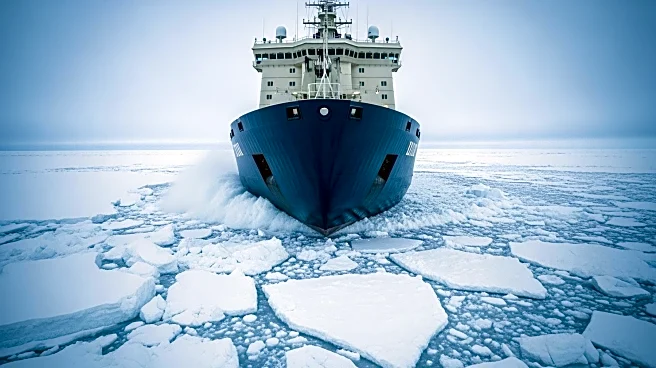
The USCG Cutter Polar Star, the United States' only active heavy icebreaker, marked its 50th anniversary by successfully freeing a luxury expedition cruise ship, the Scenic Eclipse II, which had become trapped in pack ice near McMurdo Sound, Antarctica.
The Polar Star, commissioned on January 17, 1976, is renowned for its icebreaking capabilities, able to break through ice up to 21 feet thick. During its 29th deployment to Antarctica as part of Operation Deep Freeze, the Polar Star responded to a distress call from the Scenic Eclipse II, which was carrying up to 200 passengers. The icebreaker made two passes to break the ice and escorted the cruise ship to open water. The Polar Star's mission includes maintaining navigable channels for supply vessels to reach McMurdo Station.
Why It's Important?
The successful rescue operation underscores the critical role of the USCG Polar Star in supporting U.S. operations in Antarctica, particularly in ensuring the safety and logistical support of scientific missions and tourism activities in the region. The Polar Star's ability to navigate and break through thick ice is vital for maintaining access to remote research stations, which are crucial for climate and environmental studies. The icebreaker's continued service, bolstered by recent life extension work, highlights the importance of maintaining and upgrading the U.S. icebreaking fleet to support national interests in polar regions. The operation also demonstrates the strategic importance of having a capable icebreaking vessel to respond to emergencies in harsh environments.
What's Next?
The Polar Star is expected to remain in service until at least 2030, with plans for new U.S. heavy icebreakers to be delivered in the future. This continued service will ensure that the U.S. maintains its presence and operational capabilities in Antarctica. The successful mission may prompt further discussions on the need for additional icebreaking resources to support growing scientific and commercial activities in polar regions. Stakeholders, including government agencies and scientific communities, may advocate for increased investment in icebreaking technology and infrastructure to enhance the U.S.'s ability to operate in these challenging environments.