



What's Happening?
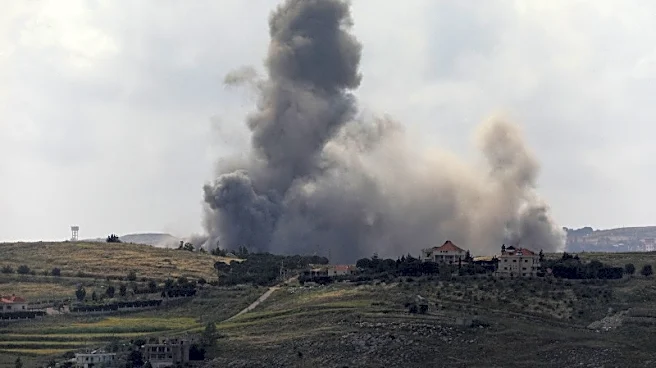
President Trump is reportedly considering renewed military action against Iran due to frustrations over Iran's nuclear ambitions and tactics. Intelligence officials suggest that Iran is employing a strategy of deception and delay, hoping to complicate
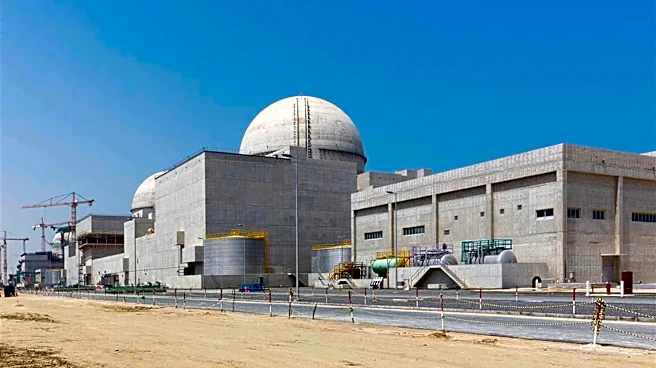
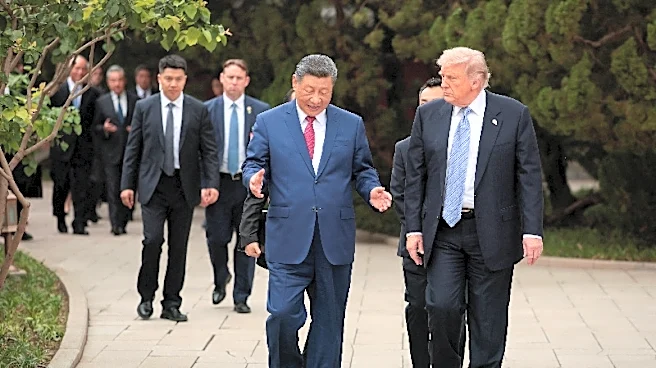
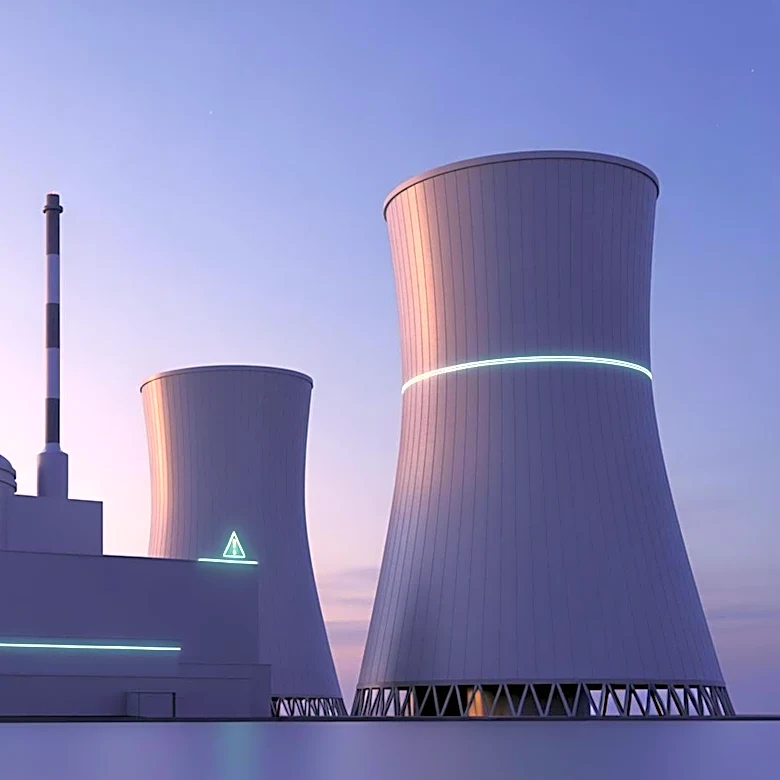
any potential military response from the U.S. Trump recently discussed the situation with Israeli Prime Minister Benjamin Netanyahu, indicating that a decision on military action is still pending. Meanwhile, the United Arab Emirates reported intercepting drones, with one striking near the Barakah nuclear power plant, highlighting regional tensions. Diplomatic efforts remain stalled, with Iran maintaining control over the Strait of Hormuz, a critical energy passage.
Why It's Important?
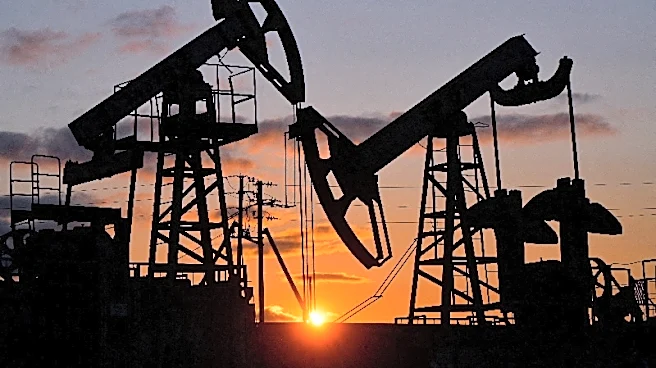
The potential for renewed military conflict between the U.S. and Iran could have significant implications for global energy markets, given Iran's strategic position in the Strait of Hormuz. A military escalation could disrupt oil supplies, affecting global prices and economic stability. Additionally, the involvement of regional allies like Israel could further complicate diplomatic relations in the Middle East. The situation underscores the fragile nature of international agreements on nuclear proliferation and the challenges of maintaining peace in volatile regions.
What's Next?
President Trump has yet to make a final decision on military action, leaving open the possibility of further diplomatic negotiations or escalation. The U.S. and its allies, including Israel, are reportedly preparing for potential strikes, which could lead to broader regional conflict. The international community will likely monitor the situation closely, with potential impacts on global energy markets and geopolitical stability. The UAE's response to drone attacks also suggests heightened security measures in the region.