



What's Happening?
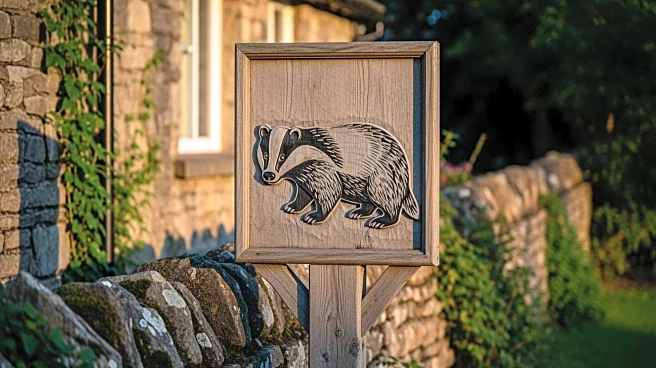
Bertie the Badger, a beloved mascot of the Badger Bar in Rydal, Lake District, has been returned after going missing during a staff Christmas outing. The mascot was taken to the White Lion Hotel in Ambleside, where it disappeared, prompting an appeal
by Cumbria Police. The incident gained international attention, including coverage in the United States. Bertie was eventually returned to the pub, reportedly having had a 'merry time' during his absence. The Badger Bar expressed gratitude to those who helped in the search, noting that Bertie returned without his hat and tinsel but appeared well cared for. Bertie has been a fixture at the bar for several decades, symbolizing the pub's history and connection to the local wildlife.
Why It's Important?
The return of Bertie the Badger highlights the cultural significance of mascots and local traditions in community establishments. Such mascots often serve as symbols of local heritage and community identity, fostering a sense of belonging among patrons. The international attention garnered by Bertie's disappearance underscores the global interest in unique local stories and the power of social media in mobilizing support for community causes. This incident also reflects the role of law enforcement in addressing community concerns, even those involving non-human entities, which can enhance public trust and engagement.
What's Next?
With Bertie back at the Badger Bar, the establishment may see an increase in visitors eager to see the famous mascot. The pub might leverage this attention to promote local tourism and community events, potentially organizing themed nights or storytelling sessions about Bertie's adventures. The incident could also inspire other local businesses to create or highlight their own mascots, fostering a trend of community engagement through unique symbols. Additionally, the pub may consider implementing measures to prevent future disappearances, such as securing the mascot during outings.
Beyond the Headlines
The story of Bertie the Badger touches on broader themes of community resilience and the importance of local traditions in a globalized world. It highlights how small, seemingly trivial events can capture widespread attention and bring communities together. The incident also raises questions about the role of media in amplifying local stories and the potential for such narratives to influence perceptions of community life. Furthermore, it illustrates the intersection of tradition and modernity, as a decades-old mascot becomes a viral sensation in the digital age.