



What's Happening?
Francesco La Camera, Director-General of the International Renewable Energy Agency (IRENA), states that the ongoing conflict in the Middle East is redefining the concept of energy security. Historically, energy security was synonymous with a nation's
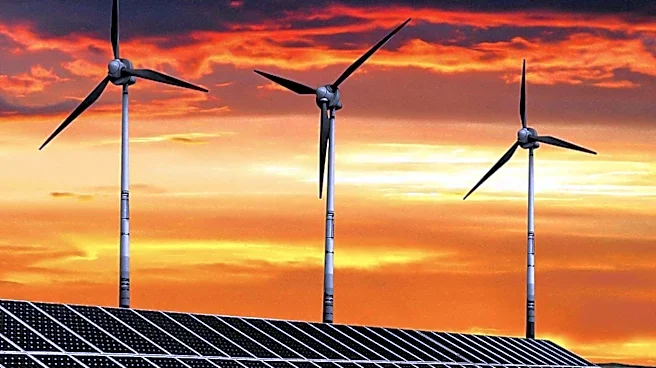
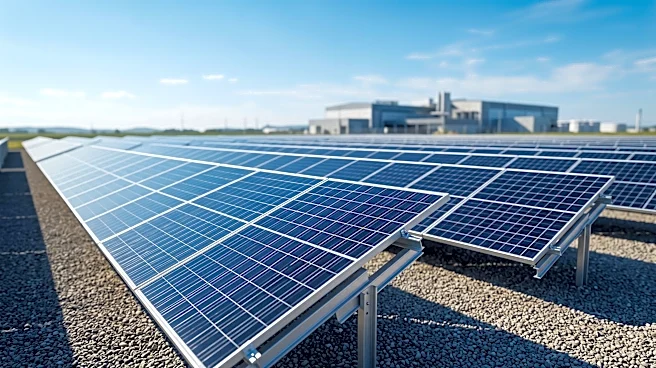
oil and gas reserves. However, current global events are shifting this understanding towards a more diverse, decentralized, and domestically controlled energy system, with renewable sources at its core. La Camera notes that countries are realizing that a centralized fossil fuel-based energy system does not provide true energy security due to its concentration and vulnerability to geopolitical shocks. In contrast, renewables offer energy from multiple sources and locations, managed by various actors, making the system more resilient. He points out that countries with a higher proportion of renewables have generally navigated the current energy crisis more effectively. The transition towards renewables, initially driven by climate goals, is now significantly bolstered by the imperative of energy security.
Why It's Important?
This shift in the understanding of energy security has profound implications for global energy policy and investment, including in the U.S. The emphasis on decentralized, diverse, and domestically controlled renewable energy systems suggests a move away from reliance on volatile international fossil fuel markets. For the U.S., this could mean accelerated investment in domestic renewable energy infrastructure, potentially creating new jobs, fostering technological innovation, and enhancing national energy independence. Industries involved in renewable energy production, storage, and grid modernization stand to gain significantly. Conversely, traditional fossil fuel industries may face increased pressure and reduced investment as global priorities shift. The focus on energy security through renewables also aligns with climate change mitigation efforts, potentially leading to a dual benefit of environmental protection and enhanced national stability. The U.S. energy sector, a major global player, will likely see substantial transformation as these trends continue.
What's Next?
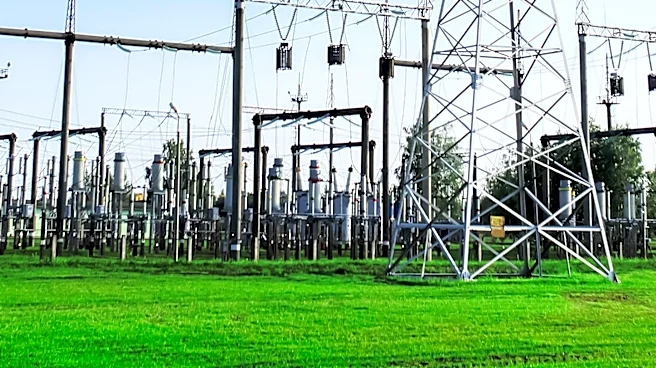
IRENA's Director-General, Francesco La Camera, identifies three critical areas for future action: infrastructure, a fairer legal and regulatory environment, and workforce development. Future efforts will focus on building interconnected, flexible grids supported by artificial intelligence and digitalization, alongside necessary port facilities. There will be a push to address the existing subsidies for fossil fuels, which currently hinder the growth of renewable energy systems, aiming for a more equitable regulatory landscape. Furthermore, significant investment in retraining the workforce will be necessary to equip individuals with the skills required for the evolving energy sector. For developing nations, the challenge is compounded by high financing costs and limited grid infrastructure, prompting calls for multilateral financial institutions to prioritize infrastructure and grid modernization. La Camera emphasizes that the most urgent action is to focus on 'Grid, grid, grid' – ensuring interconnectivity, flexibility, and balance within energy systems.
Beyond the Headlines
The redefinition of energy security by IRENA extends beyond immediate geopolitical concerns, touching upon fundamental shifts in economic competitiveness and societal resilience. The future economic landscape, as highlighted by La Camera, will heavily depend on a country's ability to deliver cost-effective 'molecules' (green hydrogen) and 'electrons' (electricity and storage). This implies a deeper integration of renewable energy solutions into all facets of the economy, from industrial processes to transportation and residential use. The agency's research suggests that 'firm renewables'—renewables paired with storage—can provide round-the-clock power more affordably than traditional sources like gas or nuclear, challenging long-held assumptions about energy reliability. This paradigm shift could lead to a re-evaluation of national security strategies, with energy independence becoming a cornerstone. The ethical dimension involves ensuring equitable access to these new energy systems, particularly for developing countries, and managing the social impact of transitioning workforces from fossil fuel industries to renewable sectors.