



What's Happening?
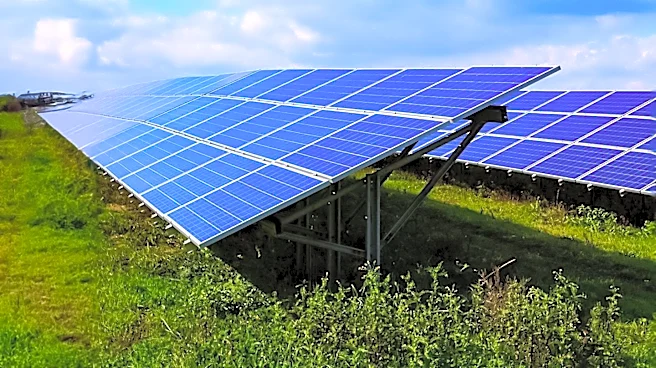
Europe's solar power generation is facing significant challenges during the winter months due to prolonged periods of cool, cloudy, and windless weather, a phenomenon known as 'dunkelflaute.' This situation is causing a substantial drop in solar output
and leading to increased reliance on more expensive backup generation, such as natural gas, pushing energy prices higher. For instance, German day-ahead power prices have reportedly doubled in October, with hourly rates exceeding €500 during peak times. While solar proved to be a 'shining star' during summer heatwaves, performing better than usual and helping to stabilize the grid against spikes in cooling-related electricity consumption, its performance significantly declines in winter. In June, solar accounted for 25.4% of the EU's electricity generation, but this dropped to 13.2% in October. Individual households with solar panels are also experiencing higher energy bills as their systems produce less power, forcing them to import more from the grid.
Why It's Important?
This situation highlights the inherent intermittency of renewable energy sources like solar and the critical need for robust energy storage solutions and diversified energy portfolios. Europe's struggle with 'dunkelflaute' underscores the challenges in transitioning away from fossil fuels, as reliance on natural gas increases during periods of low renewable output, impacting energy security and climate goals. The fluctuating performance of solar power directly affects consumer energy costs, potentially leading to higher utility bills for households and businesses. Furthermore, it emphasizes the importance of grid stability and the need for advanced energy management systems to balance supply and demand effectively, especially as the continent aims to reduce its carbon footprint and achieve energy independence.
What's Next?
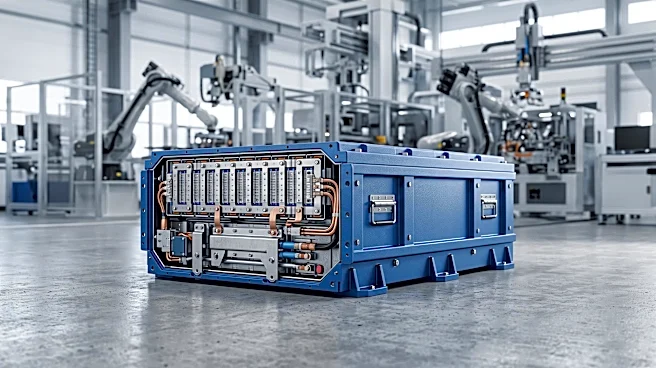
As Europe enters deeper into winter, the reliance on backup energy sources like natural gas is expected to continue, potentially keeping energy prices elevated. The situation may prompt further investment in energy storage technologies, such as large-scale batteries, and the development of more flexible grid infrastructure to better manage renewable energy fluctuations. There could also be increased focus on other renewable sources that are less dependent on sunlight, such as hydropower, which tends to increase its generation during periods of low solar output. Policy discussions may intensify regarding strategies to ensure energy security and affordability during periods of low renewable generation, potentially influencing future energy policy and infrastructure development across the EU.
Beyond the Headlines
The 'dunkelflaute' phenomenon brings to light the complex interplay between climate, energy policy, and technological readiness in the global push for decarbonization. It exposes the vulnerabilities of energy systems heavily reliant on weather-dependent renewables without adequate compensatory measures. This situation could accelerate innovation in areas like long-duration energy storage, smart grid technologies, and even nuclear power, as countries seek reliable, low-carbon baseload electricity. The economic implications extend beyond energy bills, potentially affecting industrial competitiveness and the overall cost of living. It also raises questions about public perception and political will to continue investing in renewables, especially when their limitations become apparent during challenging weather conditions, necessitating a balanced and pragmatic approach to energy transition.