



What's Happening?
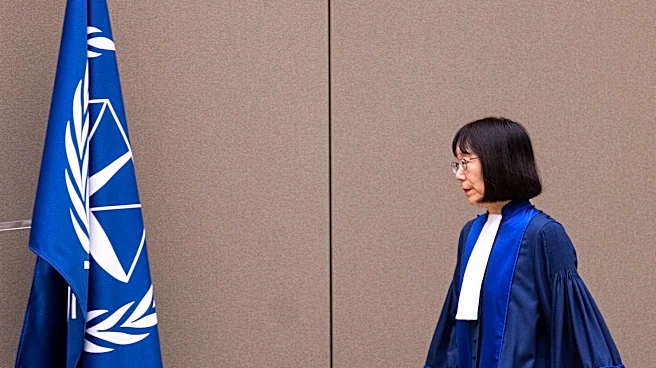
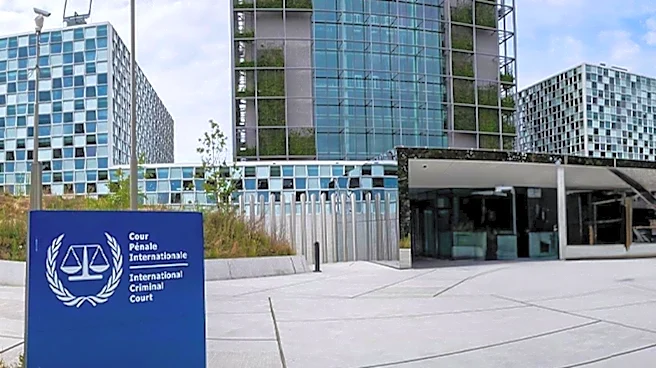
A delegation of U.S. taxpayers and international human rights attorneys is scheduled to arrive at the International Criminal Court (ICC) in The Hague on November 11, 2026. They plan to hand-deliver evidence to the Office of the Prosecutor, seeking arrest
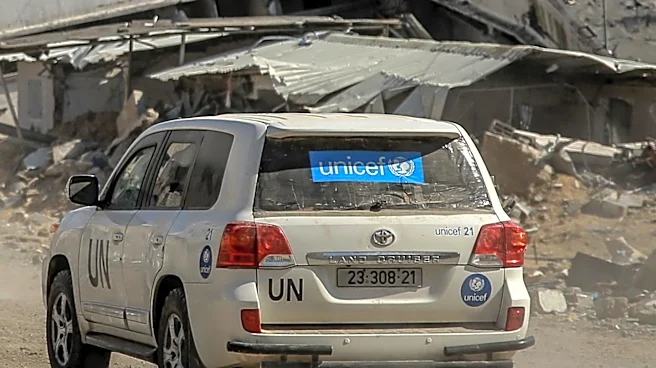
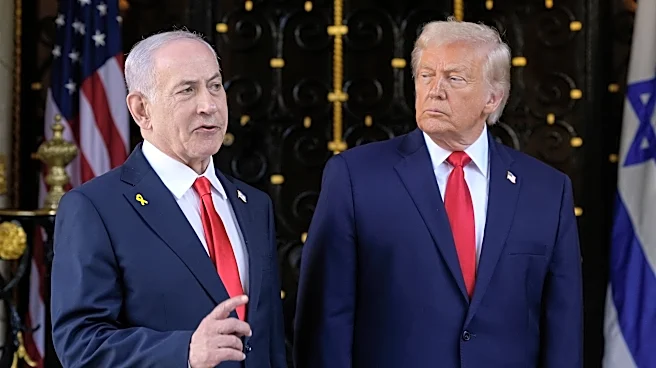
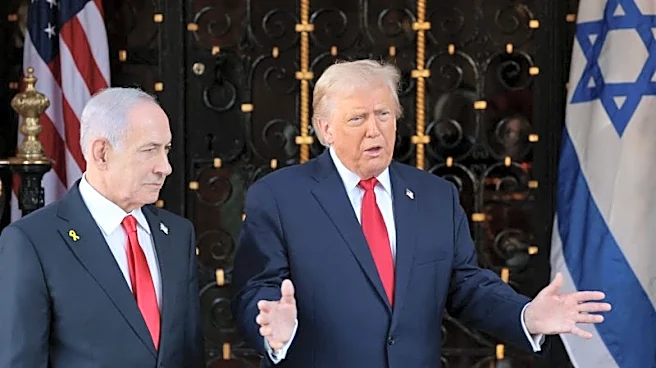
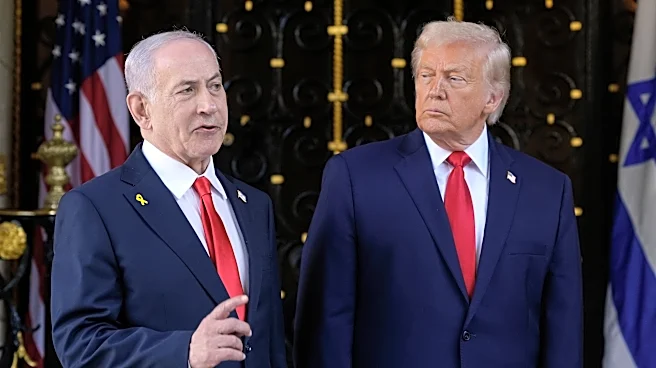
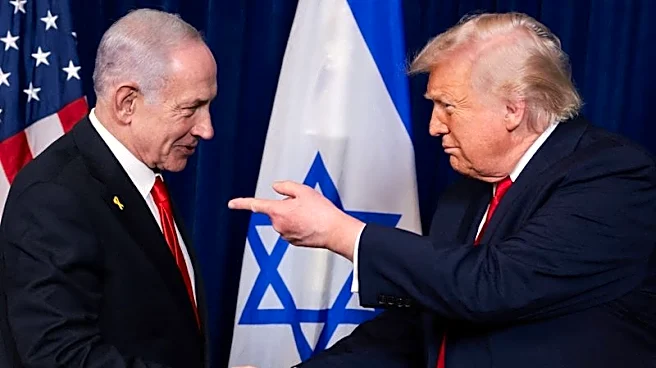
warrants against President Trump, Secretary of State Marco Rubio, and other senior U.S. officials. The group, operating under the Taxpayer Alliance Against Genocide (TAAG), alleges that these officials aided and abetted Israel in committing genocide, war crimes, and crimes against humanity in Gaza. The submission follows a recent federal court victory that affirmed TAAG’s First Amendment right to share evidence with the ICC. The evidence includes sworn affidavits from doctors who worked in Gaza, eyewitness accounts, whistleblower testimony, videos, and extensive documentation detailing U.S. political, military, diplomatic, and financial support for Israel. This action comes amidst broader efforts by the U.S. and Israel to delegitimize the ICC and sanction its officials.
Why It's Important?
This development is significant as it represents a direct challenge by U.S. citizens to their own government officials within an international legal framework. The attempt to secure arrest warrants against a sitting President and other high-ranking officials for alleged complicity in international crimes could set a precedent for accountability, even for powerful nations. If the ICC were to act on this evidence, it could significantly strain U.S. relations with the international judicial body and potentially lead to further sanctions or diplomatic repercussions from the U.S. government, which has historically opposed ICC jurisdiction over its citizens and allies. The case also highlights the growing tension between national sovereignty and international legal obligations, particularly concerning human rights and conflict. The involvement of U.S. taxpayers and human rights attorneys underscores a domestic push for accountability regarding U.S. foreign policy actions.
What's Next?
On November 11, 2026, the delegation will hold a press conference in The Hague to formally submit their evidence to the ICC. Following the submission, the Office of the Prosecutor will review the evidence to determine if there are sufficient grounds to initiate an investigation and potentially issue arrest warrants. The U.S. government is likely to strongly oppose any such actions, potentially escalating its existing stance against the ICC. The outcome could influence future international legal proceedings and the willingness of other nations or groups to pursue similar avenues for accountability. The situation will also test the ICC's independence and its capacity to withstand political pressure from powerful states.
Beyond the Headlines
This initiative delves into the complex ethical and legal dimensions of state responsibility and individual accountability in international law. It raises fundamental questions about the extent to which officials of a sovereign nation can be held responsible by an international court for actions taken in support of an ally. The case could also fuel debates about the role of international institutions in addressing alleged human rights violations, especially when powerful states are involved. Furthermore, it highlights the power of civil society and legal advocacy in challenging governmental policies and seeking justice on a global scale, potentially inspiring similar actions in other contexts where international law is perceived to be violated. The long-term implications could include a re-evaluation of international legal frameworks and the enforcement mechanisms available to address complex geopolitical conflicts.