







What's Happening?
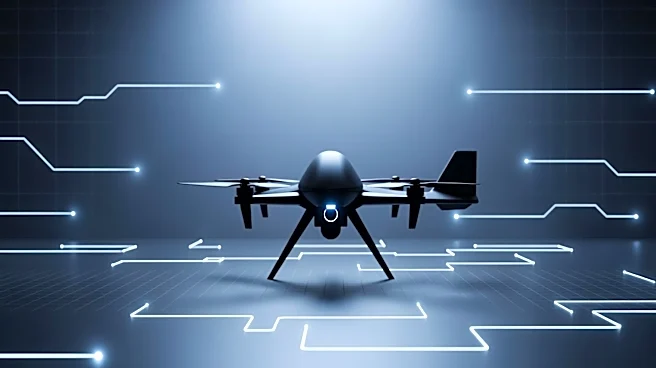
Joint Chiefs Chairman Gen. Dan Caine emphasized the importance of autonomous weapons in future U.S. military operations during a discussion at Vanderbilt University. He highlighted the integration of artificial intelligence (AI) in military strategies,
particularly in drones and command-and-control operations. Caine's remarks underscore the military's focus on adopting AI tools to enhance national security decisions. The discussion also touched on the Pentagon's tensions with Anthropic, a company that has developed a powerful AI model, Mythos Preview, which was withheld from public release due to cybersecurity concerns. The U.S. government has imposed restrictions on Anthropic's tools, leading to legal challenges and a temporary injunction against the restrictions.
Why It's Important?
The integration of autonomous weapons and AI in military operations represents a significant shift in defense strategies, potentially enhancing the speed and efficiency of battlefield decisions. However, this raises concerns about accountability and compliance with the laws of war. The Pentagon's interest in AI tools like Mythos Preview indicates a broader trend towards automation in defense, which could redefine military engagements and national security policies. The legal and ethical implications of using AI in warfare are critical, as they could influence international norms and the future of military conflicts.
What's Next?
The U.S. military is likely to continue exploring and integrating AI technologies into its operations, while addressing legal and ethical concerns. The ongoing legal battle between Anthropic and the U.S. government may set precedents for future AI regulations and usage in defense. As AI becomes more prevalent in military strategies, there may be increased scrutiny from lawmakers and international bodies regarding its application and compliance with international laws.