





What's Happening?
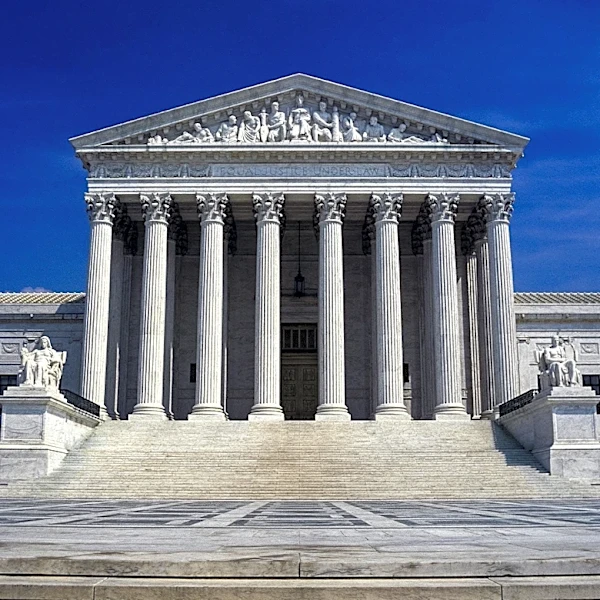
The contrasting perspectives of Supreme Court Justices Ketanji Brown Jackson and Clarence Thomas have come to the forefront, reflecting their differing interpretations of American history and the Constitution. While both justices share a background as African
Americans, their views on issues such as race-conscious admissions and voting rights diverge significantly. Jackson is noted for her emphasis on the historical contributions of Black Americans and her critique of originalist interpretations that she believes distort historical facts. In contrast, Thomas often supports a more conservative, originalist view that focuses on the intentions of the Constitution's framers.
Why It's Important?
The ideological differences between Justices Jackson and Thomas highlight the broader debates within the Supreme Court and American society regarding race, equality, and the interpretation of the Constitution. These differences influence key legal decisions that affect civil rights, affirmative action, and voting laws. The justices' perspectives also reflect the ongoing struggle to reconcile America's historical injustices with its constitutional ideals, impacting how laws are shaped and interpreted in the future.
Beyond the Headlines
The discourse between Jackson and Thomas underscores the complex dynamics of identity and ideology within the Supreme Court. Their interactions may influence public perceptions of the court's role in addressing racial and social justice issues. This ongoing dialogue also raises questions about the responsibilities of Black leaders in positions of power and their impact on shaping a more inclusive legal framework.