









What's Happening?
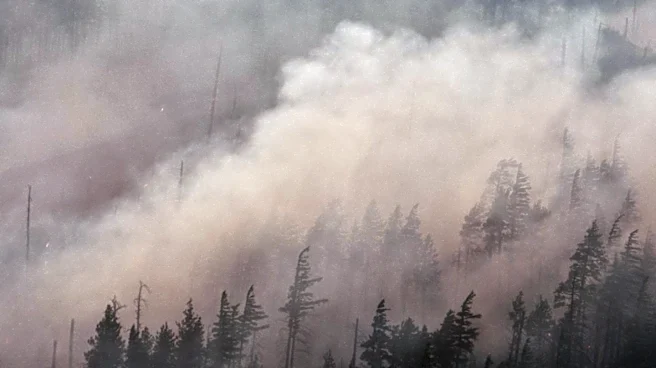
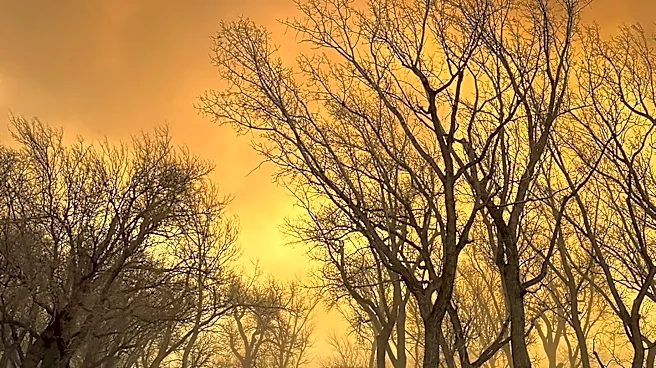
The U.S. is facing multiple crises as fast-moving wildfires in the West and a multistate Salmonella outbreak linked to jalapeños demand urgent attention. Wildfires, fueled by high temperatures and gusty winds, have prompted evacuations across several
states and Canada. Meanwhile, over 300 cases of Salmonella have been reported in at least 27 states, linked to contaminated jalapeños. These events are part of a broader pattern of environmental and public health challenges confronting the nation.
Why It's Important?
The wildfires highlight the increasing frequency and intensity of natural disasters, exacerbated by climate change, affecting communities and ecosystems. They underscore the need for robust emergency response systems and long-term strategies to mitigate climate impacts. The Salmonella outbreak raises concerns about food safety and the effectiveness of current regulatory measures. Both crises emphasize the importance of preparedness and the need for coordinated efforts between federal, state, and local agencies to protect public health and safety.
What's Next?
Efforts to contain the wildfires will continue, with firefighting resources being mobilized across affected regions. Authorities will likely review and update emergency response plans to better handle future incidents. In response to the Salmonella outbreak, health officials are expected to intensify investigations to trace the source and prevent further spread. Public health advisories and recalls may be issued to protect consumers. These events may also prompt policy discussions on climate resilience and food safety regulations.