







What's Happening?
Savannah Resources, a London-listed company, is set to resume its lithium project in Portugal following a three-week suspension. The Portuguese government has declared the project of national and European significance, which led to the lifting of a court
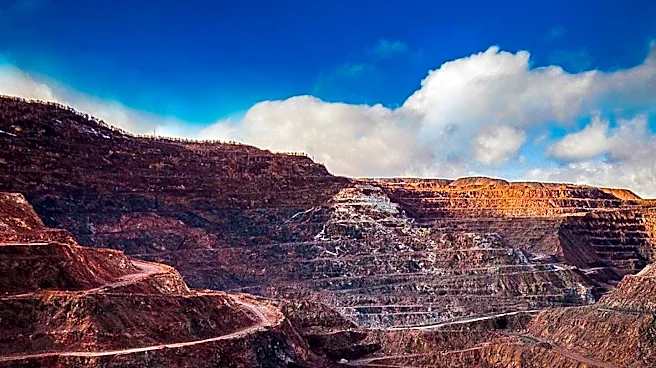
injunction that had halted work. The Barroso deposit in northern Portugal, where the project is located, is Europe's largest lithium deposit with resources exceeding 39 million tons. Potential extensions could increase this to over 100 million tons, potentially doubling the mine's lifespan to more than 50 years. The project has faced significant public opposition and legal challenges over the past decade. The suspension was initially triggered by a court injunction filed by the Barroso Assembly of Common Land Holders, opposing Savannah's access to land for geotechnical work. The government argued that the suspension could harm public interest and delay a strategically important project. Savannah plans to resume fieldwork immediately, with a final investment decision expected by the end of the year.
Why It's Important?
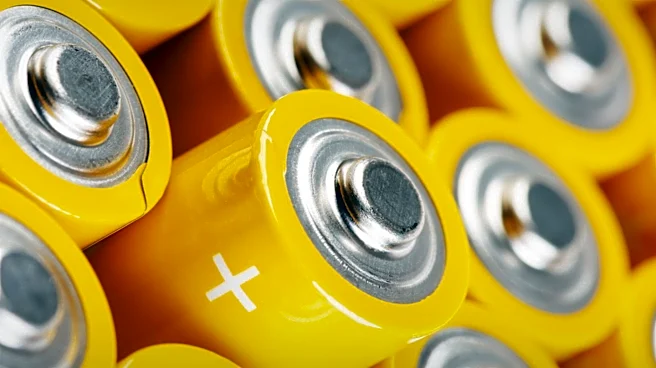
The resumption of Savannah's lithium project is significant for both Portugal and Europe, as it aligns with broader energy transition goals. Lithium is a critical component in battery production, essential for electric vehicles and renewable energy storage. The project's success could bolster Europe's supply chain for these technologies, reducing dependency on imports. For Portugal, the project represents a substantial economic opportunity, potentially creating jobs and stimulating local economies. However, the ongoing public opposition highlights the tension between economic development and environmental or community concerns. The project's progress could set a precedent for how similar projects are managed in Europe, balancing strategic interests with local opposition.
What's Next?
With the suspension lifted, Savannah Resources will proceed with its planned fieldwork. A final investment decision is anticipated by the end of the year, with construction slated for 2027 and production expected to begin in 2028. While there is no legal right to appeal the lifting of the injunction, further opposition from local groups is possible. The project's advancement will likely be closely monitored by stakeholders in the energy and mining sectors, as well as environmental groups. The outcome could influence future regulatory and legal frameworks for mining projects in Europe.