




What's Happening?
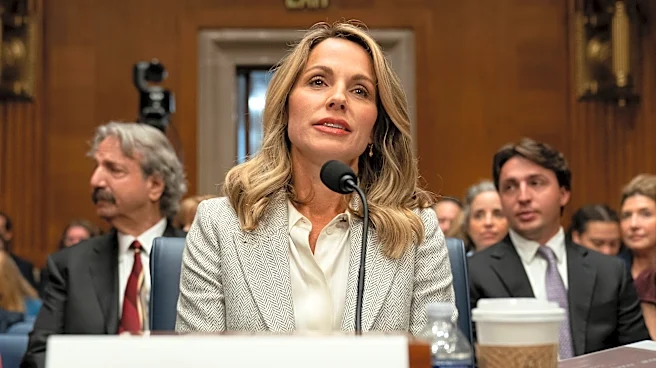
Stephanie Johnson, previously a legislative assistant to U.S. Senator Jon Tester (D., Mont.), has been named the new Vice President of Government Relations at the National Grocers Association (NGA). Johnson, a registered dietitian with a background in
food policy and public health, will be responsible for overseeing the NGA's advocacy efforts related to food and nutrition issues. Additionally, she will advise the NGA Foundation on its federal nutrition program grant work. Her experience includes over three years in Senator Tester's office, where she served as a senior adviser on various health, education, labor, nutrition, pensions, Social Security, families, and appropriations subcommittees for the Labor, Health, Education, and Agriculture departments and the Food and Drug Administration. Johnson also has four years of experience working in independent supermarkets, which provided her with firsthand insight into how federal policies, such as the Special Supplemental Nutrition Program for Women, Infants, and Children (WIC), affect community grocery stores and their customers. The NGA also announced other new hires, including Max Wengroff as executive assistant, and Kelly Hanson and Josh Anderegg for the NGA Foundation's Technical Assistance Center.
Why It's Important?
This appointment is significant for the independent grocery industry and public health policy in the U.S. Stephanie Johnson's dual expertise in legislative affairs and food policy, combined with her practical experience in grocery operations, positions her to effectively advocate for the NGA's interests. Her understanding of federal programs like WIC and their impact on local communities and businesses will be crucial in shaping policies that support both grocers and consumers. The NGA, as a trade group for independent grocery stores, plays a vital role in representing a significant segment of the U.S. food retail sector. Her role will influence how federal regulations and initiatives related to food, nutrition, and public health are developed and implemented, potentially affecting food access, affordability, and the economic viability of independent grocers across the nation. This move could lead to more informed and practical policy recommendations that consider the real-world challenges faced by independent supermarkets and the communities they serve.
What's Next?
Stephanie Johnson is expected to immediately begin her work in advocating for the NGA's policy priorities. Her focus will likely include engaging with lawmakers and relevant government agencies on food and nutrition issues, leveraging her legislative background to advance the interests of independent grocers. The NGA Foundation's federal nutrition program grant work will also be a key area of her responsibility, potentially leading to new initiatives or expanded support for community-based food programs. Her insights from working in Senator Tester's office could facilitate more effective communication and collaboration between the independent grocery sector and federal policymakers. The NGA's President and CEO, Greg Ferrara, expressed confidence that the new hires, including Johnson, will contribute significantly to advancing the organization's mission on behalf of independent retail grocers and their wholesalers.
Beyond the Headlines
Johnson's appointment highlights a growing trend of professionals with diverse backgrounds bridging the gap between policy-making and industry-specific advocacy. Her experience as a registered dietitian brings a public health perspective to the NGA's government relations efforts, suggesting a potential emphasis on policies that not only support businesses but also promote healthier communities. This could lead to a more holistic approach to food policy, where economic considerations are balanced with nutritional and public health outcomes. The move also underscores the increasing complexity of legislative advocacy, requiring individuals who can navigate both the intricacies of government and the practicalities of the industries they represent. Her firsthand experience with federal programs like WIC could also inform discussions around food insecurity and access to nutritious food, potentially influencing future legislative reforms aimed at strengthening these programs and their delivery through local grocers.