



What's Happening?
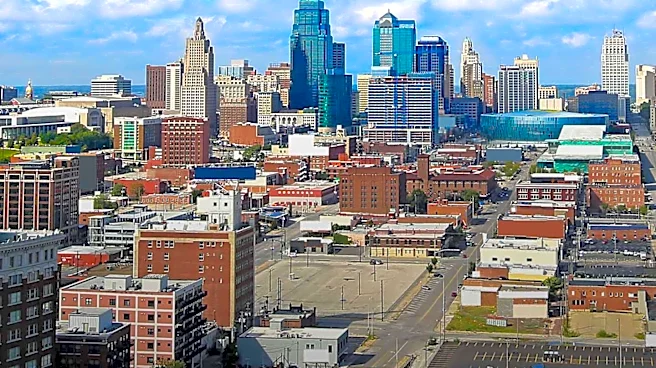
Rick Chambers, President of the South Kansas City Chamber of Commerce, and a long-time resident, asserts that south Kansas City neighborhoods, stretching from Waldo to south of I-435, are often overlooked by the city in terms of resource allocation. During
a live broadcast of KCUR’s Up To Date, Chambers highlighted that while the area boasts local businesses and engaged residents, it does not receive the attention it deserves compared to other parts of the city. He emphasized that residents are primarily seeking better delivery of basic services such as police presence, park maintenance, and social services, rather than large-scale development projects. Chambers noted that the city departments are doing their best, but with six districts competing for resources, south Kansas City often falls short.
Why It's Important?
This call for increased resources in south Kansas City underscores a broader issue of equitable distribution of municipal services within large urban areas. If these neighborhoods continue to be underserved, it could lead to a decline in public safety, quality of life, and economic vitality. For residents, a lack of basic services can impact their daily lives, potentially leading to decreased property values and a reluctance for new businesses to invest in the area. For the city, neglecting these areas could exacerbate social inequalities and hinder overall regional growth. Addressing these concerns could foster stronger community ties, improve public welfare, and stimulate local economic development, benefiting both residents and the broader Kansas City metropolitan area.
What's Next?
The advocacy from the South Kansas City Chamber of Commerce and its president, Rick Chambers, is likely to prompt further discussions within Kansas City's municipal government regarding resource allocation. This public appeal could lead to increased scrutiny of current budgeting practices and potentially influence future city planning and investment strategies. Local community groups and residents may become more vocal in demanding specific improvements, potentially organizing to lobby city council members and other officials. The city government might respond by initiating studies to assess service gaps in south Kansas City or by re-evaluating its resource distribution model to ensure more equitable access to essential services across all districts. The outcome will depend on the sustained pressure from advocates and the city's willingness to adapt its policies.
Beyond the Headlines
The situation in south Kansas City reflects a common challenge in many growing U.S. cities: balancing development and resource distribution across diverse neighborhoods. This issue often highlights underlying tensions between established communities and newer, more visible development projects. The call for basic services over 'splashy development' suggests a community prioritizing foundational quality of life improvements. This perspective could influence urban planning philosophies, shifting focus from grand projects to essential infrastructure and social support. It also raises questions about civic engagement and how effectively residents' voices are heard and acted upon in municipal decision-making processes, potentially inspiring other communities to advocate for similar re-evaluations of city priorities.