




What's Happening?
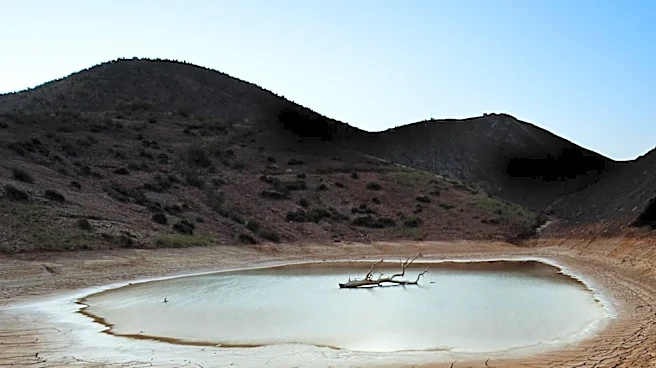
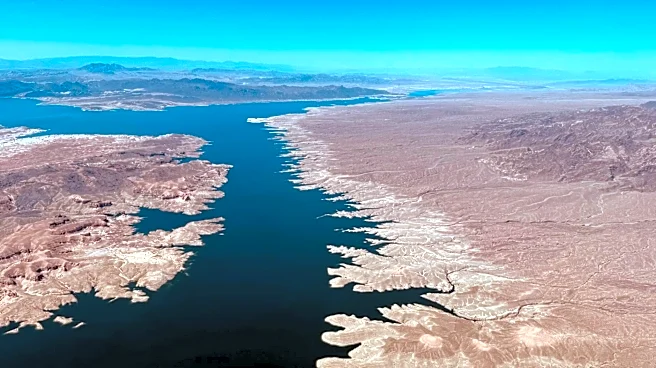
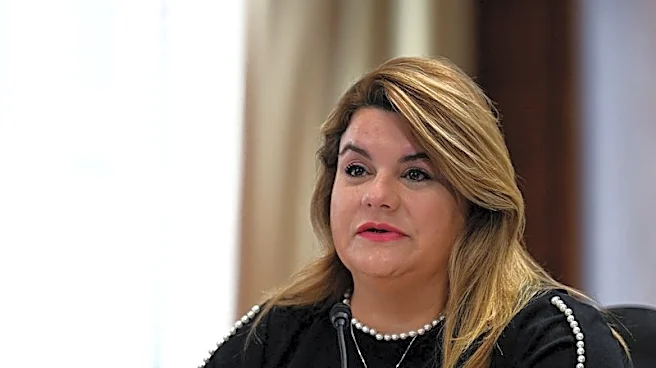
Puerto Rico is experiencing a severe water crisis as major cities begin rationing water due to ongoing drought conditions. The situation is exacerbated by the island's aging water infrastructure, which has not been adequately maintained. Governor Jenniffer
Gonzalez-Colon has urged residents to conserve water by adopting measures such as turning off taps while washing. The crisis has led to confusion and frustration among residents, as the implementation of water rationing has been inconsistent. Some areas have been without water for extended periods, while others receive water despite scheduled outages. The lack of clear communication from authorities has further complicated the situation. Experts attribute the crisis to both the drought and significant water loss within the infrastructure, with up to 60% of water not reaching consumers.
Why It's Important?
The water crisis in Puerto Rico highlights the critical need for infrastructure investment and maintenance, particularly in regions vulnerable to climate change impacts. The situation underscores the broader challenges faced by territories with aging infrastructure, which can exacerbate natural disasters and lead to public health concerns. The crisis also raises questions about government preparedness and response to environmental challenges. For residents, the lack of reliable water supply affects daily life and can lead to health risks, especially in communities already struggling with economic hardships. The situation serves as a warning for other regions with similar vulnerabilities, emphasizing the importance of proactive infrastructure management and climate adaptation strategies.
What's Next?
The immediate focus for Puerto Rican authorities will be to stabilize the water supply and improve communication with residents. Long-term solutions will likely involve significant investment in infrastructure upgrades to reduce water loss and improve resilience against future droughts. The government may also need to explore alternative water sources, such as underground aquifers, to ensure a stable supply. As the crisis unfolds, there may be increased pressure on local and federal governments to provide financial and technical support to address the underlying issues. The situation could also prompt broader discussions on climate resilience and infrastructure investment in U.S. territories.