




What's Happening?
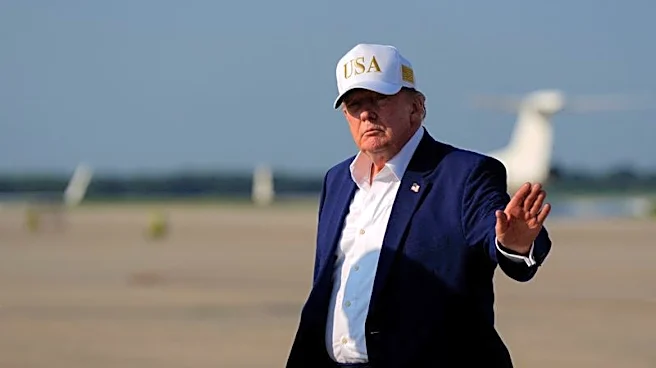
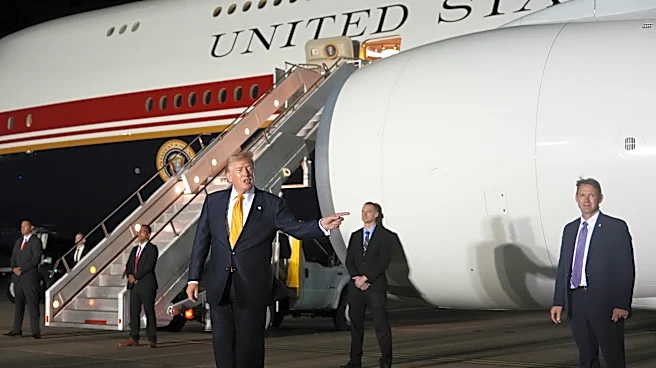
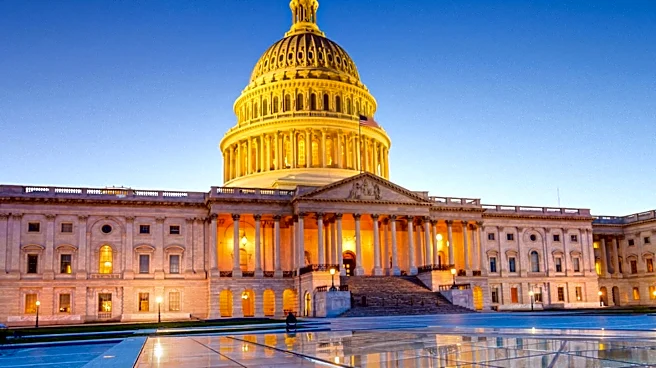
The U.S. Department of State has revoked more than 175,000 visas since President Trump returned to office, significantly increasing the pace of revocations compared to the previous administration. The cancellations target foreign nationals who allegedly
violated visa terms, committed crimes, or posed national security threats. The department highlighted cases involving serious offenses such as sexual assault and drug-related crimes. Additionally, some revocations were linked to political speech, including a Turkish student whose visa was canceled after criticizing a university's stance on the Gaza conflict. Secretary of State Marco Rubio has also identified individuals deportable on foreign policy grounds, including nationals from Cuba, Iran, and Kuwait. The department's actions are part of a continuous vetting system introduced to ensure visa holders meet eligibility criteria.
Why It's Important?
The significant increase in visa revocations under the Trump administration reflects a broader strategy to tighten immigration controls and address national security concerns. This move could impact U.S. relations with countries whose nationals are affected and may influence international perceptions of U.S. immigration policies. The revocations also raise questions about the balance between security and civil liberties, particularly concerning political speech. Critics argue that the lack of transparency in the revocation process could lead to abuses of discretion and undermine trust in the immigration system. The policy may affect industries reliant on foreign talent and could have economic implications if skilled workers are deterred from seeking opportunities in the U.S.
What's Next?
The visa revocation policy is likely to face legal challenges, particularly concerning its impact on political speech and due process rights. The administration may continue to refine its vetting processes to address security concerns while mitigating potential diplomatic fallout. Stakeholders, including immigration advocates and affected foreign nationals, may seek legal recourse or policy changes to ensure fair treatment. The ongoing court challenges to related executive orders could also influence the future direction of U.S. immigration policy.