








What's Happening?
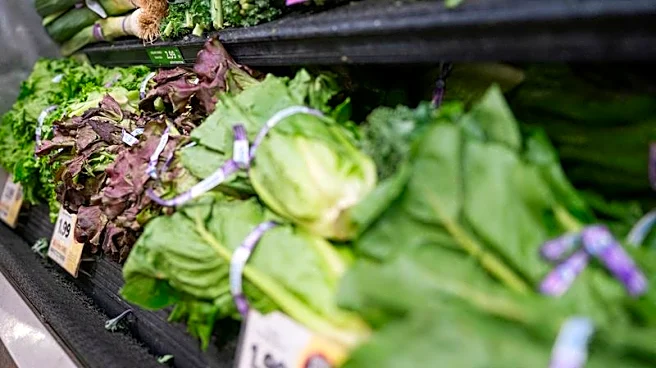
The United States is experiencing its largest outbreak of Cyclospora, a single-celled parasite that has affected thousands of people. The parasite, which is difficult to detect on food items like lettuce, has been causing severe digestive issues. Cyclospora reproduces
in the human intestine, leading to prolonged infections. The outbreak has been linked to contaminated produce, with the parasite's spores surviving in various environmental conditions. Health experts emphasize the importance of washing and cooking fresh produce to prevent infection.
Why It's Important?
This outbreak underscores significant challenges in food safety and the complexities of managing parasitic infections. The widespread nature of the outbreak highlights vulnerabilities in the food supply chain, particularly with imported produce. It raises concerns about the effectiveness of current food safety regulations and the need for improved monitoring and prevention strategies. The economic impact on the agriculture and food industries could be substantial, as consumer confidence in fresh produce may decline.
What's Next?
Public health authorities are continuing to investigate the sources of contamination and are likely to implement stricter safety protocols for imported produce. There may be increased collaboration between government agencies and the agricultural sector to enhance food safety measures. The outbreak could lead to policy changes and increased funding for research on parasitic infections and foodborne illnesses. Consumers may also see more public health campaigns focused on safe food handling practices.