






What's Happening?
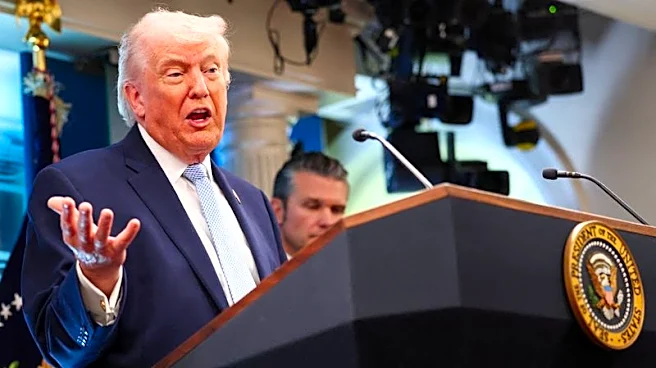
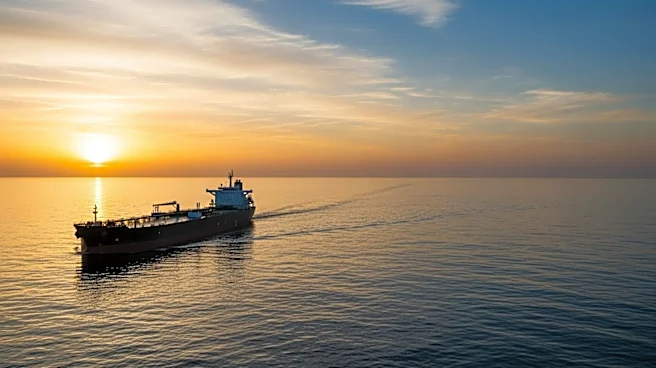
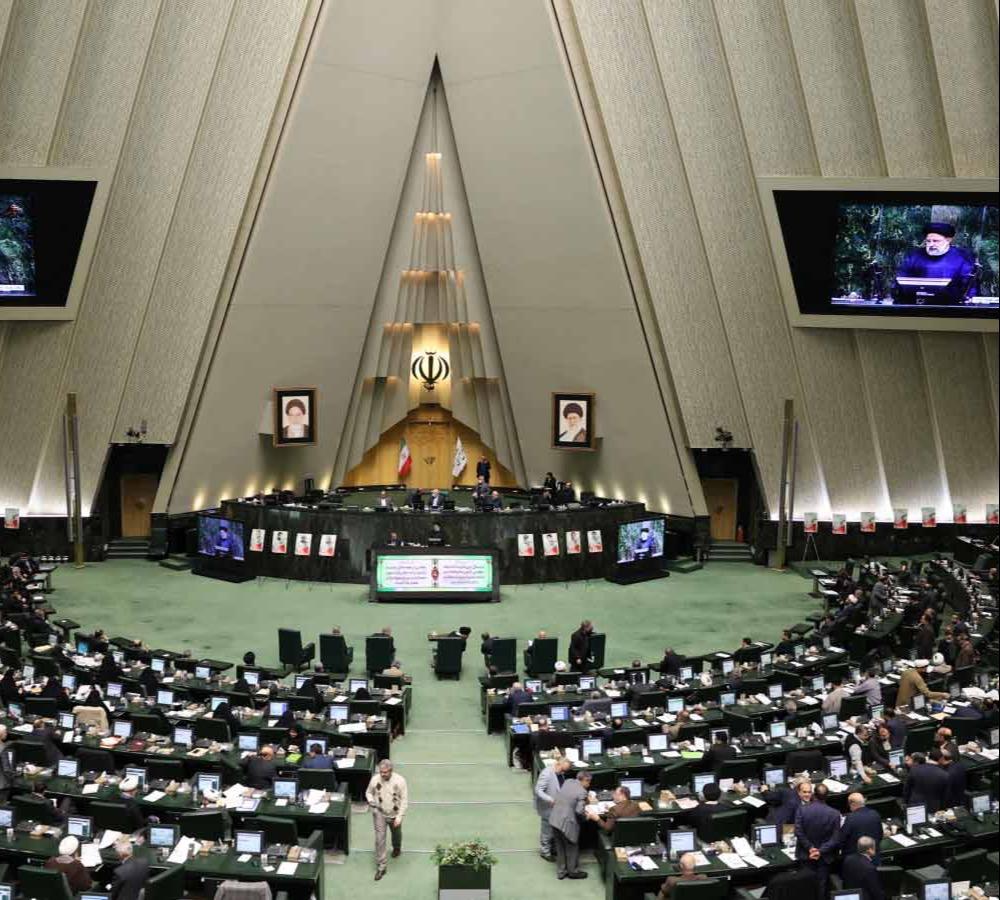
Iran has announced the reopening of the Strait of Hormuz following a two-week temporary ceasefire agreement with the United States. This development comes as part of a broader effort to pave the way for a potential peace deal between the two nations.
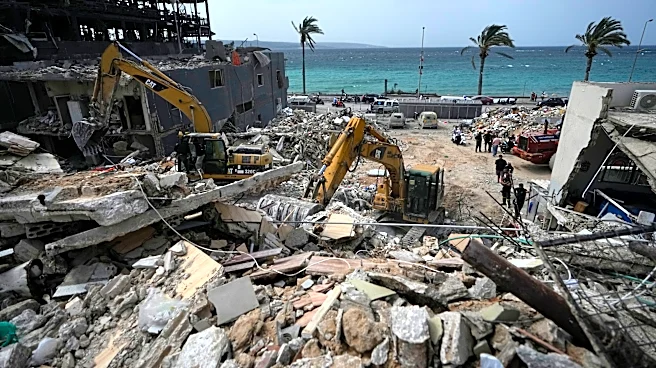
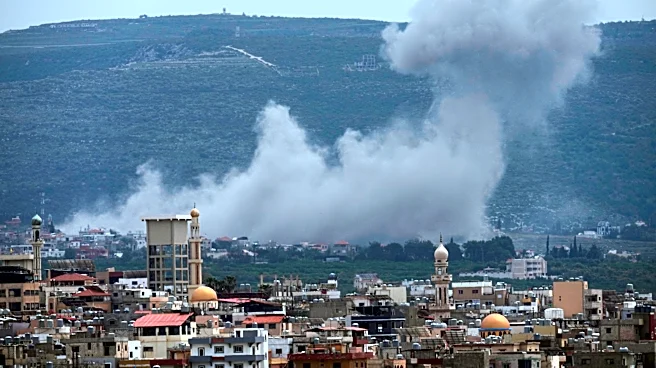
The ceasefire, which is set to expire soon, has led to a decrease in oil prices as the strategic waterway is a critical passage for global oil shipments. The reopening of the strait is seen as a significant step towards easing tensions in the region, which have been heightened due to ongoing conflicts involving Israel and Lebanon.
Why It's Important?
The reopening of the Strait of Hormuz is crucial for global oil markets, as a significant portion of the world's oil supply passes through this narrow waterway. The reduction in oil prices following the announcement is likely to have a positive impact on global economies, particularly those heavily reliant on oil imports. Additionally, the ceasefire and potential peace deal between the United States and Iran could lead to a stabilization of geopolitical tensions in the Middle East, which have historically affected global economic stability and security.
What's Next?
As the ceasefire nears its expiration, diplomatic efforts are expected to intensify to secure a lasting peace agreement between the United States and Iran. The outcome of these negotiations will be closely watched by international stakeholders, including oil markets and regional allies. The potential for a permanent resolution could lead to further decreases in oil prices and a more stable geopolitical environment in the Middle East.