


What's Happening?
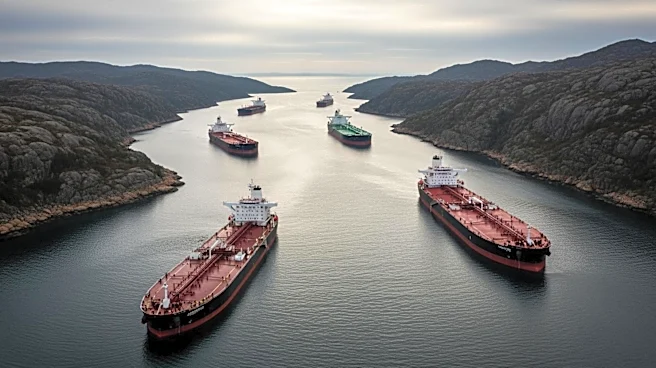
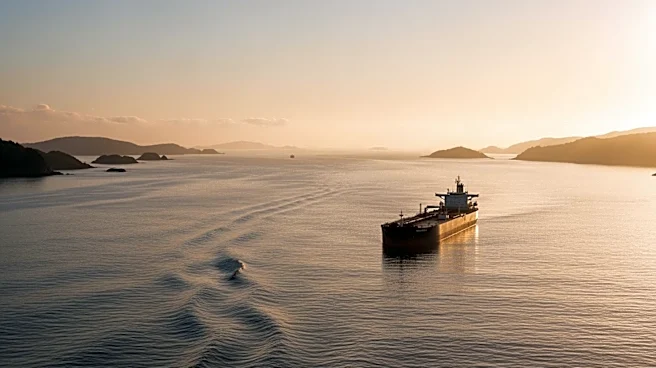
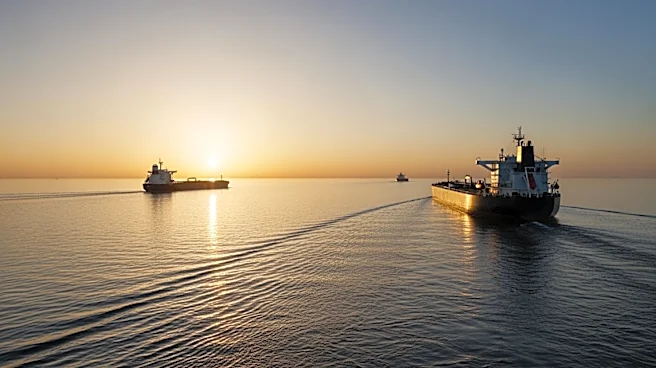
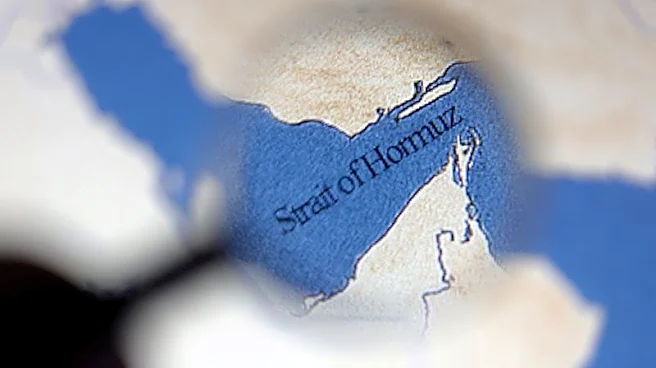
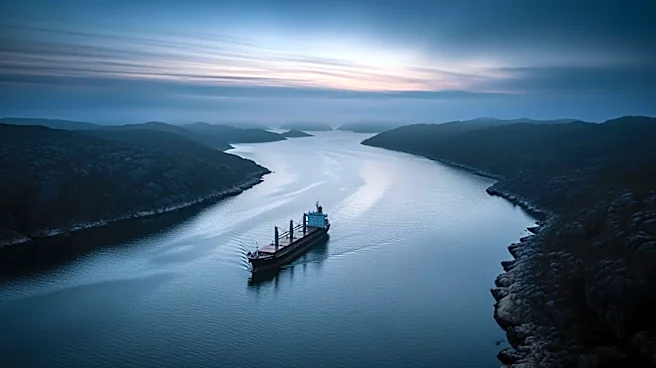
Three supertankers laden with oil have successfully navigated the Strait of Hormuz amid a fragile ceasefire between the United States and Iran. The strait, a critical chokepoint for global oil and liquefied natural gas shipments, has been a focal point of tension,
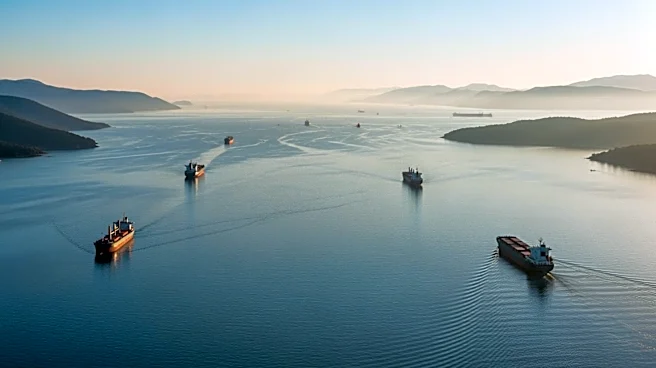
disrupting energy supplies and causing oil prices to soar. The tankers, including the Liberia-flagged VLCC Serifos and China-flagged VLCCs Cospearl Lake and He Rong Hai, bypassed Iran's Larak Island. This movement comes as hundreds of tankers remain stuck in the Gulf, awaiting safe passage during the ceasefire period.
Why It's Important?
The successful navigation of these tankers through the Strait of Hormuz is a significant development in the context of global energy security. The strait is a vital artery for the world's oil supply, and any disruption can have far-reaching implications for global energy markets. The ceasefire between the US and Iran provides a temporary reprieve, allowing some movement of oil shipments, but the situation remains precarious. The ongoing tensions highlight the geopolitical risks associated with energy supply routes and the potential for further disruptions if hostilities resume.
What's Next?
As the ceasefire continues, stakeholders will closely monitor the situation for any signs of escalation. Shipping companies may continue to seek alternative routes to mitigate risks, potentially leading to shifts in global trade patterns. The international community may also increase diplomatic efforts to stabilize the region and ensure the free flow of energy supplies. Additionally, energy markets will remain sensitive to developments in the region, with potential impacts on oil prices and global economic stability.