






What's Happening?
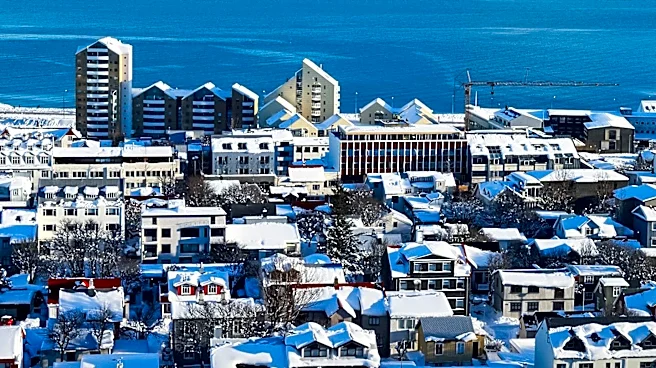
A new report presented during the launch of a joint Nordic growth initiative indicates that Iceland significantly trails its Nordic counterparts in patent activity and faces a more substantial regulatory burden. In 2024, Iceland recorded approximately
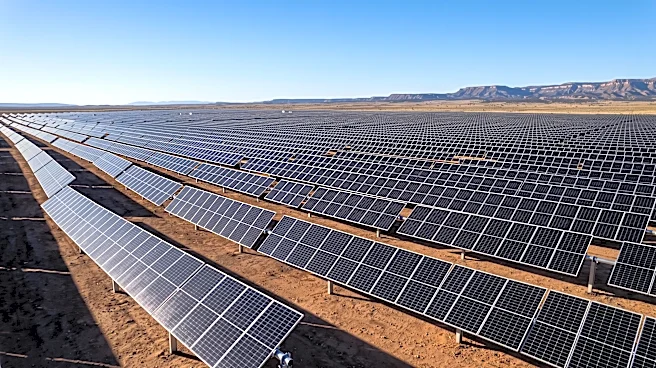
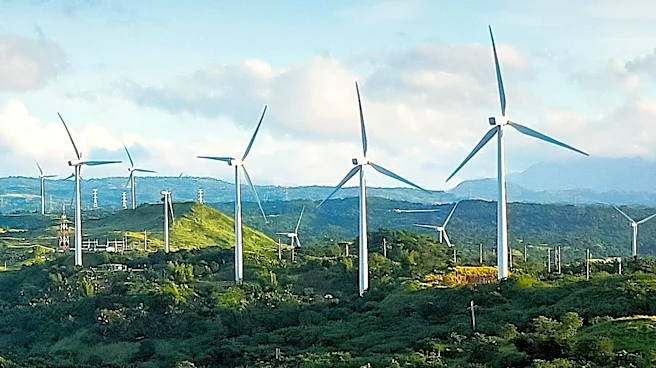
160 patent applications per million inhabitants, which is considerably lower than the Nordic average of 572 applications per million people. Despite this, the report identifies Iceland's abundant renewable energy resources as a key competitive advantage. The findings provide a nuanced view of Iceland's innovation landscape, as the country recently ranked 20th in the Global Innovation Index, yet the Nordic assessment highlights weaknesses in commercial patenting and obstacles to business investment. The Nordic Growth Alliance aims to address these disparities by focusing on reducing unnecessary regulatory barriers, improving access to capital, and strengthening collaboration in research and emerging technologies, with renewable energy being a highlighted regional asset.
Why It's Important?
This report underscores a critical innovation gap within the Nordic region, particularly for Iceland, which could impact its long-term economic competitiveness and its ability to leverage its natural advantages. The disparity in patent activity suggests that while Iceland may have strong foundational research or innovative ideas, it struggles with the commercialization and protection of these innovations compared to its neighbors. For the United States, this data provides a comparative benchmark, as the report notes that Nordic productivity has increased by about 25% since 2000, significantly less than the 43% rise seen in the U.S. during the same period. Furthermore, venture capital investment in the Nordic region was estimated at 0.11% of GDP, starkly contrasting with 0.91% in the United States. This highlights a potential competitive advantage for the U.S. in fostering innovation and attracting investment, while also offering insights into areas where Nordic countries, including Iceland, could seek to improve their economic models to catch up.
What's Next?
The Nordic Growth Alliance, formed by Nordic ministers, is set to focus on several key areas to address the identified innovation and productivity gaps. Their immediate actions will include efforts to reduce regulatory barriers that hinder business investment and innovation. Additionally, the alliance plans to improve access to capital for startups and growing businesses across the region. Strengthening collaboration in research and emerging technologies is another priority, aiming to foster a more integrated and robust innovation ecosystem. For Iceland specifically, the focus will likely be on leveraging its renewable energy resources more effectively, particularly in energy-intensive industries like data centers, and exploring ways to boost patenting in areas such as geothermal heat use. The long-term goal is to enhance overall Nordic productivity and innovation to better compete on a global scale, potentially drawing lessons from the U.S. model of venture capital and productivity growth.
Beyond the Headlines
The report's findings extend beyond mere economic statistics, touching upon the broader implications of innovation and regulatory environments on national development. The contrast between Iceland's high ranking in the Global Innovation Index and its low patent activity suggests a disconnect between raw innovative potential and its practical, commercial application. This could indicate systemic issues within Iceland's innovation ecosystem, such as a lack of support for commercialization, insufficient intellectual property protection mechanisms, or a challenging investment climate for new ventures. The emphasis on renewable energy as a strength for Iceland, despite its innovation gap, highlights the potential for strategic focus. However, the limited patenting in specific areas like geothermal heat use, where Iceland is a global leader, points to missed opportunities for intellectual property generation and export. This situation could lead to a reliance on importing technologies developed elsewhere, even in sectors where Iceland has a natural advantage, thereby hindering its long-term economic self-sufficiency and global influence in green technologies.