




What's Happening?
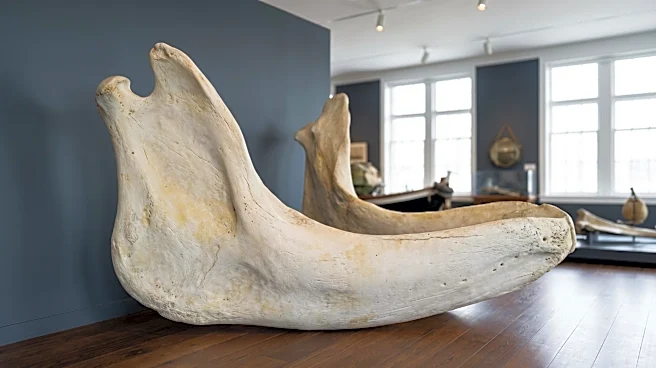
New Bedford Whaling National Historical Park is offering free walking tours titled "Blubber and Bones: The Products of Whaling." These tours delve into the 19th-century whaling industry, exploring how whale products like blubber, baleen, and bone were
integral to everyday life. Participants will learn about the transformation of these resources into valuable commodities used in homes, manufacturing, and various industries, thereby connecting New Bedford to a burgeoning global economy. The tours begin promptly at 2:30 PM at the Visitor Center, with a ranger or volunteer meeting visitors either inside or in the Visitor Center Garden. Comfortable walking shoes, water, and weather-appropriate clothing are recommended for attendees.
Why It's Important?
These free walking tours are significant for several reasons. Firstly, they provide an accessible educational opportunity for the public to understand a crucial period in American economic and social history. The whaling industry was a cornerstone of New England's economy and played a vital role in the nation's development, and these tours illuminate that impact. Secondly, by focusing on the practical uses of whale products, the tours offer insights into 19th-century technology, resourcefulness, and global trade networks. This helps contextualize the historical importance of New Bedford as a major whaling port. Thirdly, as a National Historical Park offering free tours, it ensures that this important part of U.S. heritage is available to all, fostering a deeper appreciation for the nation's industrial past and its environmental implications.
What's Next?
The New Bedford Whaling National Historical Park will likely continue to offer these educational walking tours, potentially expanding their schedule or developing new themed tours based on visitor interest and historical research. The park may also integrate digital resources or interactive exhibits to complement the walking tours, enhancing the learning experience. As public awareness of environmental conservation grows, future tours might also incorporate discussions on the ecological impact of historical whaling practices and the subsequent conservation efforts for marine life. Collaborations with local schools and universities could further extend the reach of these educational programs, ensuring that younger generations understand the complex history of the whaling industry and its legacy.
Beyond the Headlines
Beyond the historical facts, these tours implicitly touch upon broader themes of human ingenuity, resource exploitation, and the evolving relationship between humanity and the natural world. The story of whaling in New Bedford is a powerful example of how a single industry can drive economic growth, shape a community, and connect it to global markets, while also raising questions about sustainability and ethical resource management. It offers a historical lens through which to view contemporary debates about resource extraction and environmental impact. The tours also highlight the resilience and adaptability of communities that were once dependent on a single industry, providing lessons for regions facing economic transitions today. Ethically, it prompts reflection on the costs and benefits of industrial progress and the long-term consequences of human actions on ecosystems.