




What's Happening?
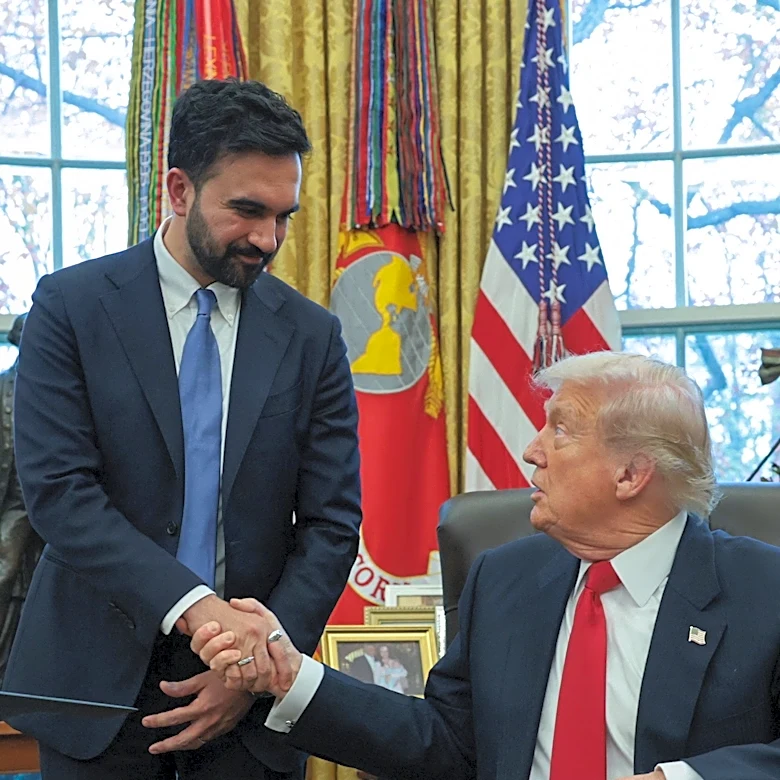
On September 18, 2026, President Trump signed an Executive Order titled “Reinvigorating America’s Hunting Heritage.” This order aims to enhance public land access, promote habitat conservation, strengthen fish and wildlife management, and support outdoor
traditions in the United States. The initiative is part of the Trump Administration’s broader “Make America Beautiful Again” effort, which emphasizes conserving natural resources while expanding recreational opportunities. The Executive Order directs federal agencies to increase hunting access on federal lands, improve accessibility to challenging federal areas, and prioritize hunting education and opportunities for specific groups including youth, veterans, and hunters with disabilities. It also encourages volunteer participation in conservation efforts. Pheasants Forever (PF) and Quail Forever (QF) have expressed their support for this Executive Order, highlighting its potential benefits for wildlife populations and hunting access.
Why It's Important?
This Executive Order is significant for several reasons. It underscores the administration's commitment to preserving hunting as a cultural and recreational activity, which has economic implications for related industries such as outdoor gear, tourism, and local businesses in hunting regions. By directing federal agencies to coordinate with state wildlife agencies, the order aims to create more cohesive conservation and management plans, which could lead to healthier wildlife populations and improved ecosystems. The focus on habitat connectivity, invasive species reduction, and the use of prescribed fire are crucial for ecological balance. Furthermore, involving private landowners and agricultural producers through voluntary conservation agreements could foster broader participation in conservation efforts, potentially mitigating conflicts between land use and wildlife preservation. The emphasis on youth, veterans, and individuals with disabilities also broadens access to outdoor activities, promoting inclusivity in conservation and recreation.
What's Next?
Following the signing of the Executive Order, federal agencies, including the Departments of the Interior, Agriculture, and War, are directed to coordinate with state wildlife agencies. This coordination will involve aligning conservation and management plans to support robust game populations. Specific actions will include improving habitat connectivity, reducing invasive species, and utilizing habitat management tools like prescribed fire. Additionally, efforts will be made to work with private landowners and agricultural producers through voluntary conservation agreements. Pheasants Forever and Quail Forever anticipate collaborating with the Trump administration, federal and state agencies, private landowners, and other conservation partners to implement these commitments. The success of the order will depend on the effective execution of these directives and the continued engagement of various stakeholders to ensure the long-term sustainability of America's hunting heritage and wildlife.
Beyond the Headlines
Beyond the immediate impact on hunting and conservation, this Executive Order touches upon deeper cultural and ethical dimensions. It reflects a broader societal value placed on outdoor traditions and the role of hunting in wildlife management. The order's recognition that access and opportunity are intrinsically linked to healthy wildlife populations and quality habitat highlights an ecological understanding that conservation is not merely about preservation but also about active management. The inclusion of youth, veterans, and individuals with disabilities in hunting education and access opportunities could foster a new generation of conservationists and promote a more inclusive outdoor community. This approach could also influence public perception of hunting, framing it as a tool for conservation rather than solely a recreational pursuit. The emphasis on voluntary agreements with private landowners also points to a collaborative model of conservation that respects private property rights while achieving public environmental goals.