








What's Happening?
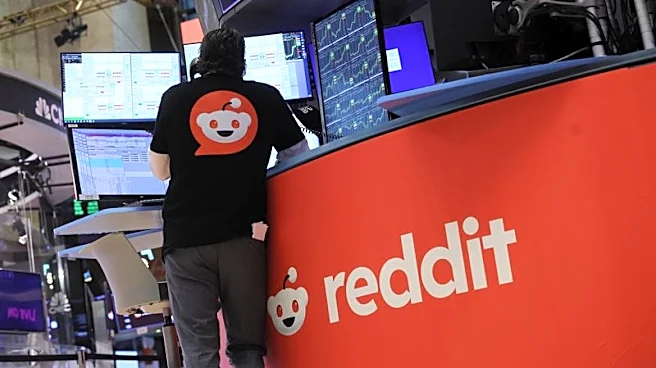
A viral Reddit thread has reignited discussions about Millennials' reluctance to care for their aging Baby Boomer parents. Despite online declarations of refusal, many Millennials are already providing unpaid care due to financial necessity. The Population
Reference Bureau reports a 32% increase in family caregivers from 2011 to 2022, with adult children being the largest group. Factors such as smaller family sizes and a shortage of paid care workers contribute to this trend. The generational tension is exacerbated by economic pressures, including housing costs and student debt.
Why It's Important?
This situation highlights a looming elder-care crisis in the U.S., with significant implications for social policy and family dynamics. As Millennials become the default caregiving generation, there is a growing need for policy interventions to support unpaid caregivers. The economic burden on Millennials could affect their financial stability and future economic contributions. Additionally, the strain on family relationships may lead to increased demand for professional caregiving services, impacting the healthcare and social services sectors.