




What's Happening?
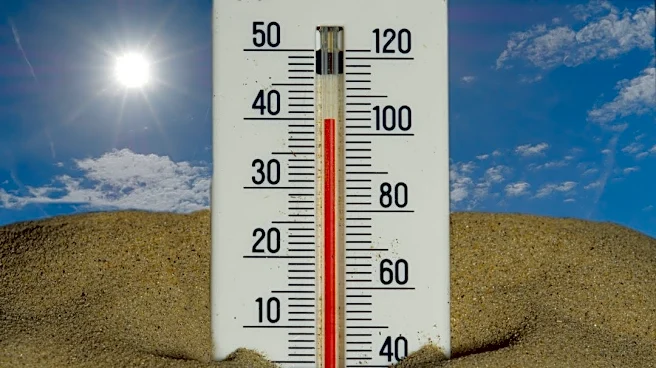
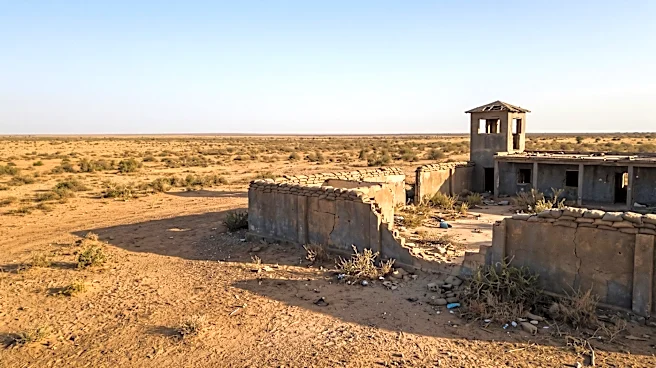
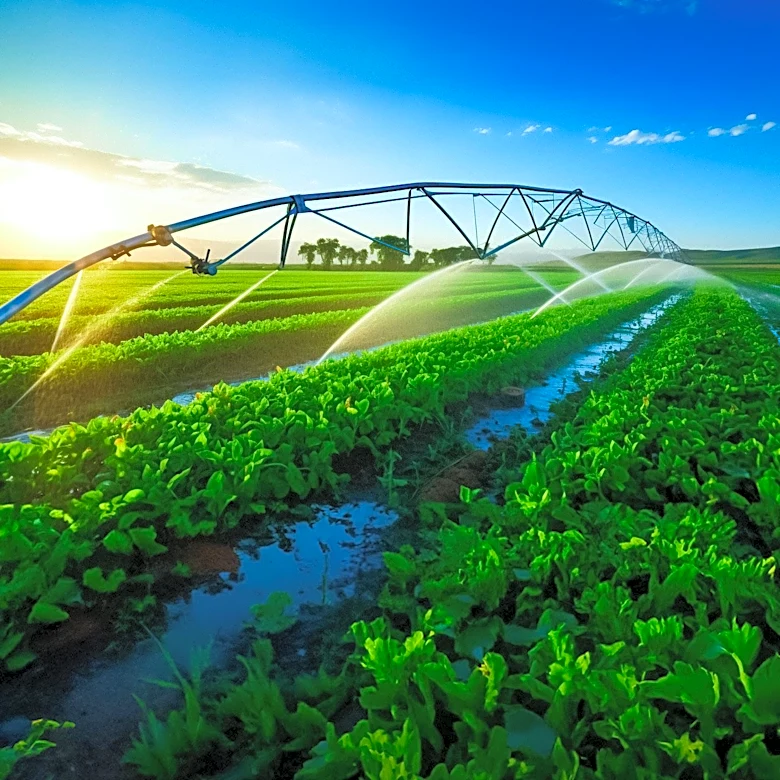
The Sahel region, a semi-arid area bordering the Sahara Desert, is experiencing significant climate challenges, with temperatures rising 1.5 times faster than the global average. This rapid warming has led to the degradation of an estimated 65% of arable
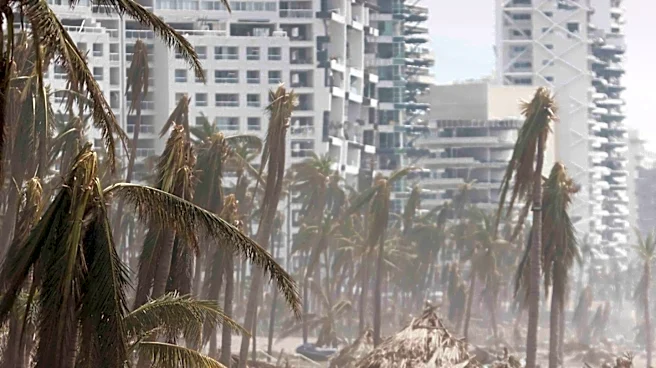
land, severely impacting a region heavily dependent on rainfed agriculture. These environmental changes, combined with armed conflict and food insecurity, have contributed to one of the world's most severe humanitarian crises, resulting in substantial forced displacement in countries such as Niger, Nigeria, and Chad. The situation is further exacerbated by the broader impacts of climate change, which are leading to increased disaster-related displacement across Africa, including sustained flooding and rising lake water levels in Kenya.
Why It's Important?
The escalating climate crisis in the Sahel has profound implications for regional stability and human security. The forced displacement of populations due to environmental degradation and conflict creates significant humanitarian challenges, including increased strain on resources and potential for further instability. The interconnectedness of climate change with issues like terrorism, organized crime, and poverty highlights a complex web of challenges that threaten the integrity of states across the African continent. The international community's perceived neglect of these problems, viewing the region primarily as a source of resources or an arena for competition, underscores a critical gap in global efforts to address multifaceted crises. This situation also raises questions about international protection obligations for climate-displaced individuals, particularly concerning the principle of non-refoulement.
What's Next?
The African Court is expected to provide an advisory opinion on the human rights obligations of African states in responding to the climate crisis, which could offer crucial guidance on international protection for climate-displaced people. This opinion is anticipated to clarify when and how existing legal frameworks, such as the OAU Refugee Convention, apply to individuals compelled to leave their homes due to climate-related events. The court's guidance will likely address the interpretation of 'events seriously disturbing public order' in the context of climate change and the assessment of individual risk. Furthermore, there is a push for the African Court to elaborate on non-refoulement obligations under the African Charter, potentially expanding human rights-based complementary protection in the region. These developments aim to build a legal architecture of protection for millions affected by climate change.
Beyond the Headlines
The crisis in the Sahel extends beyond immediate humanitarian concerns, touching upon deeper ethical and legal dimensions regarding climate justice and international responsibility. The disproportionate impact of climate change on Africa, despite its minimal contribution to global emissions, highlights a significant ethical challenge. The legal interpretation of refugee status and non-refoulement in the context of climate displacement is evolving, challenging traditional definitions and requiring a nuanced understanding of how environmental factors intersect with conflict and socio-economic vulnerabilities. The ongoing efforts to strengthen regional legal frameworks and provide clear guidance for states could set a precedent for how international law addresses climate-induced migration globally, emphasizing the need to avoid oversimplified views of climate change as merely 'natural' events.