





What's Happening?
Jones Hole National Fish Hatchery in Vernal, Utah, has successfully completed an extensive remediation project to combat an infestation of New Zealand mudsnails. These invasive snails were first detected in the early 2020s following a flood and subsequently
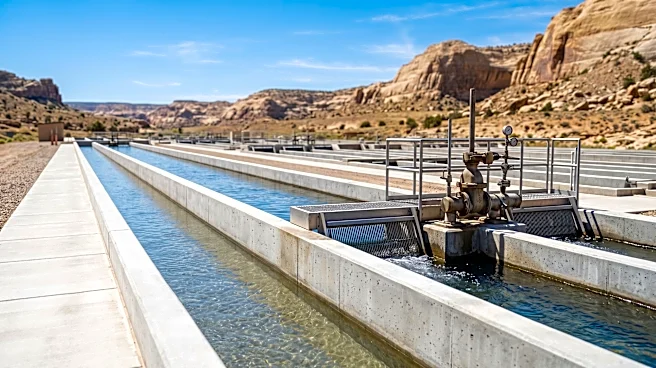
found in fish-rearing units in 2025. The U.S. Fish and Wildlife Service initiated a comprehensive effort to eliminate the infestation, improve water management, and enhance the hatchery's defenses against future invasive species. Remediation involved removing and transferring fish, pressure washing, disinfecting facilities with hot water, and allowing treated raceways to dry. Additionally, infrastructure improvements were made, including copper treatments, upgrades to water-control systems, modifications to raceway bypasses, and spring rehabilitation. The project also established Environmental DNA (eDNA) monitoring locations for ongoing surveillance. Jones Hole Hatchery is crucial for supporting recreational fisheries, Tribal trust responsibilities, and local economies, producing up to 1.2 million fish annually, including cutthroat, Kokanee, and rainbow trout for waters across Utah, Wyoming, and Tribal trust fisheries.
Why It's Important?
This remediation project is vital for sustaining regional fisheries and the economic benefits they provide. The hatchery's stocking efforts support approximately 185,000 angler days and an estimated $9.25 million in annual economic benefits. The presence of invasive species like New Zealand mudsnails can severely disrupt aquatic ecosystems, threaten native fish populations, and compromise the health of the fish produced at the hatchery. By eliminating the infestation and implementing robust biosecurity measures, the project safeguards the hatchery's ability to continue its critical role in conservation and economic support. The collaboration between federal and state agencies, including the U.S. Fish and Wildlife Service, Utah Division of Wildlife Resources, and Wyoming Game and Fish Department, highlights a coordinated approach to protecting aquatic resources and ensuring the long-term viability of recreational fishing in the region.
What's Next?
With the remediation and infrastructure improvements complete, Jones Hole National Fish Hatchery is now better equipped to protect aquatic resources and maintain fish production. The established eDNA monitoring locations will support ongoing invasive species surveillance, allowing for early detection and rapid response to future biosecurity challenges. The enhanced biosecurity measures and upgraded water management systems are designed to prevent re-infestation and strengthen the hatchery's resilience. Continued vigilance and adherence to Utah law, which restricts unauthorized possession and transportation of prohibited aquatic species, will be crucial in preventing the spread of invasive species. The success of this project may also serve as a model for other hatcheries facing similar threats, emphasizing the importance of proactive and comprehensive remediation strategies.
Beyond the Headlines
The successful remediation at Jones Hole National Fish Hatchery underscores the broader ecological and economic implications of aquatic invasive species. These species can cause irreversible damage to biodiversity, alter food webs, and negatively impact industries reliant on healthy aquatic environments. The project highlights the significant investment required to mitigate such threats, not only in terms of direct remediation but also in long-term infrastructure upgrades and monitoring. The emphasis on biosecurity and early detection through methods like eDNA monitoring represents a forward-thinking approach to environmental management. This effort reflects a growing understanding that protecting natural resources requires continuous adaptation and collaboration across various governmental and scientific bodies to safeguard both ecological integrity and economic stability.