









What's Happening?
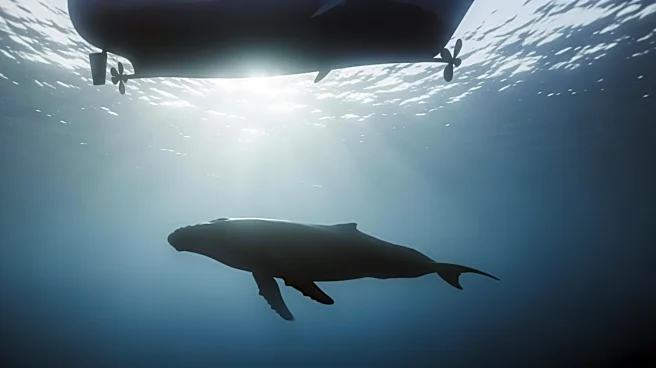
Gray whales, historically rare in San Francisco Bay, are experiencing increased mortality rates due to vessel collisions. A study published in the journal Frontiers in Marine Science highlights that since 2018, at least 18% of gray whales entering the Bay have
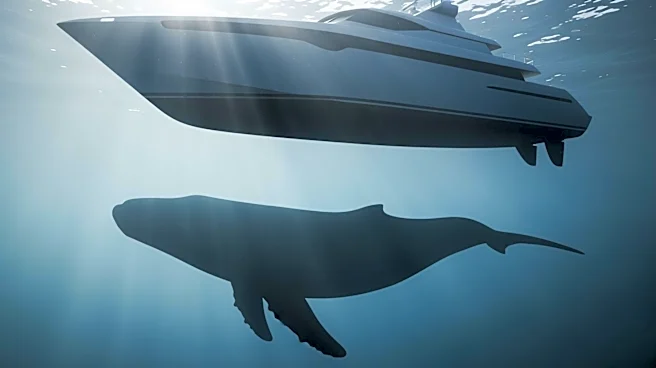
died, with over 40% of these deaths attributed to blunt force trauma from vessel strikes. The Eastern North Pacific gray whales have been appearing more frequently in the Bay, a busy shipping corridor, possibly due to changes in food availability caused by Arctic warming. The Marine Mammal Center has initiated the Whale Smart program to educate vessel operators on avoiding whale collisions, while legal actions are being taken to enforce stricter regulations on vessel routes and speeds.
Why It's Important?
The increased mortality of gray whales in San Francisco Bay underscores the broader environmental challenges posed by human activities. The decline in the Eastern North Pacific gray whale population, now at its lowest since 1970, highlights the urgent need for effective conservation measures. The situation reflects the impact of climate change on marine ecosystems, as warming Arctic conditions may be altering whale migration patterns. The study calls for federal action to mitigate vessel collisions, emphasizing the need for mandatory speed limits and better management of shipping lanes. This issue affects not only marine biodiversity but also the ecological balance and health of oceanic environments.
What's Next?
Efforts to reduce whale mortality in San Francisco Bay are likely to intensify, with potential federal interventions to enforce stricter regulations on vessel operations. The Marine Mammal Center's educational initiatives may expand, and technological solutions like AI and thermal imaging for whale detection could be more widely adopted. Legal actions, such as those by the Center for Biological Diversity, may push for comprehensive environmental assessments of shipping routes. The effectiveness of these measures will depend on collaboration between conservation groups, government agencies, and the maritime industry to ensure sustainable practices that protect marine life.