




What's Happening?
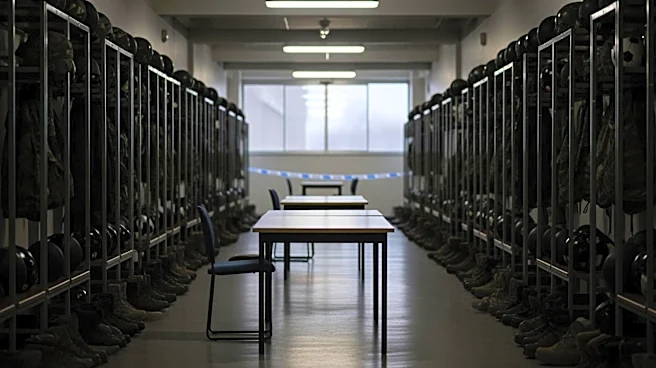
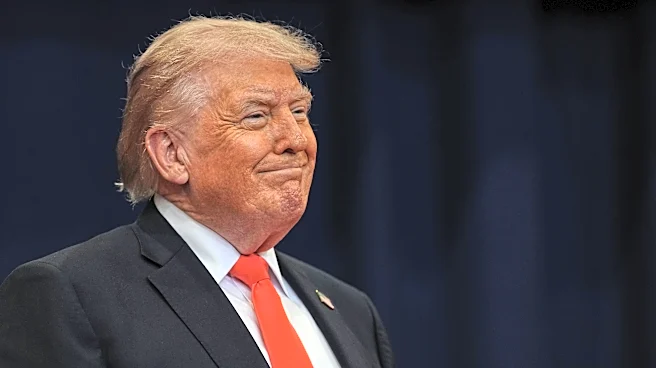
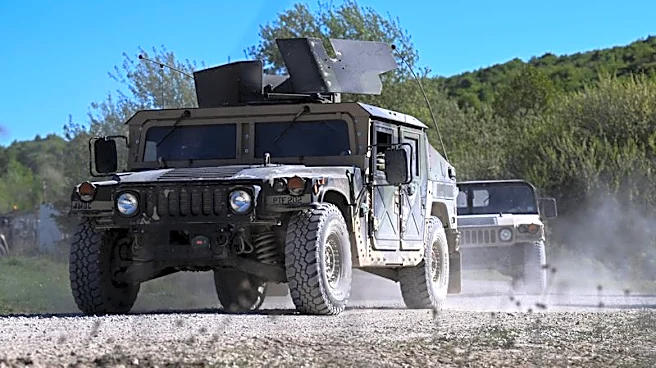
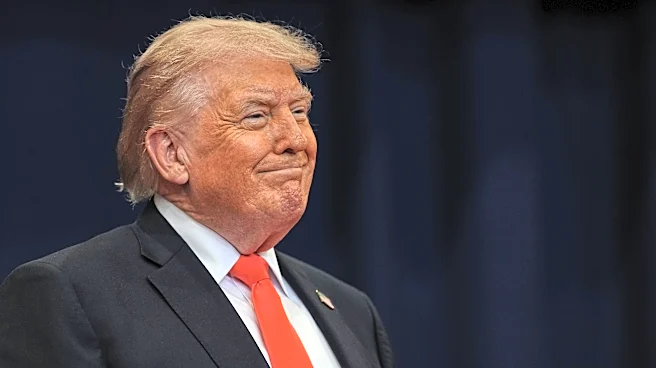
European leaders have expressed concern over President Trump's decision to withdraw thousands of U.S. troops from Germany, viewing it as a signal for Europe to take more responsibility for its own security. The Pentagon announced the withdrawal of approximately
5,000 troops, with President Trump indicating plans for further reductions. This move has surprised NATO allies and comes amid tensions with German Chancellor Friedrich Merz over the U.S.'s handling of the conflict with Iran. European leaders, meeting at a summit in Yerevan, Armenia, are downplaying the immediate impact but acknowledge the need for a stronger European role within NATO. The decision has sparked discussions on the continent's defense capabilities and the future of transatlantic relations.
Why It's Important?
The troop withdrawal underscores a shift in U.S. foreign policy under President Trump, emphasizing a reduced American military presence in Europe and urging European nations to bolster their own defense capabilities. This development could lead to increased defense spending and military collaboration among European countries, potentially altering the balance of power within NATO. The move also reflects broader geopolitical tensions, particularly regarding the U.S.'s focus on Iran and the ongoing conflict in Ukraine. European leaders are now faced with the challenge of maintaining security and stability in the region without relying heavily on U.S. military support.
What's Next?
European nations are likely to increase their defense budgets and enhance military cooperation to compensate for the reduced U.S. presence. NATO will need to reassess its strategic priorities and operational capabilities in light of these changes. The withdrawal may also prompt further discussions on the future of U.S.-European relations and the role of NATO in global security. European leaders will continue to engage in diplomatic efforts to address these challenges and ensure the alliance remains effective in deterring threats.