


What's Happening?
A recent report, the third Vermont Climate Assessment, released by the University of Vermont’s Gund Institute, details the state's experience with unprecedented weather extremes. The assessment, which follows previous reports in 2014 and 2021, highlights
that Vermont's climate is becoming warmer, wetter, and more variable. Key findings indicate that average annual temperatures in Vermont have risen by 3.6 degrees Fahrenheit since 1900, with winters warming even more significantly by 4.6 degrees Fahrenheit over the same period. Southeastern Vermont has experienced warming over a degree more than the rest of the state. The report also notes inconsistent freeze-thaw cycles, decreased snowpack, and an increase in precipitation in the form of rain during winters. This has led to a shorter winter sports season and a greater reliance on snowmaking, despite ski areas adopting more energy-efficient snowmaking machines. The pace of these climate changes is accelerating, with annual snowfall decreasing by 8.4 inches per decade in the last 35 years, compared to 4.9 inches per decade over the last 65 years.
Why It's Important?
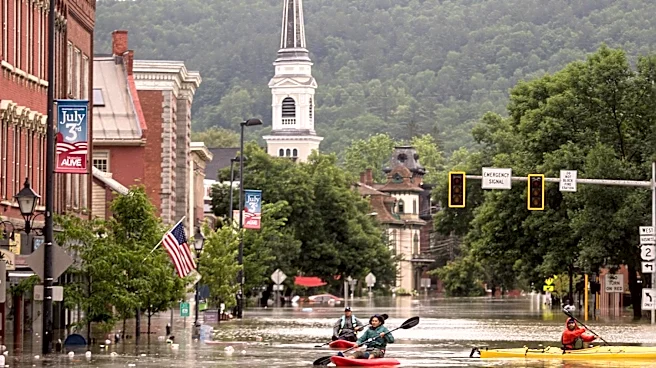
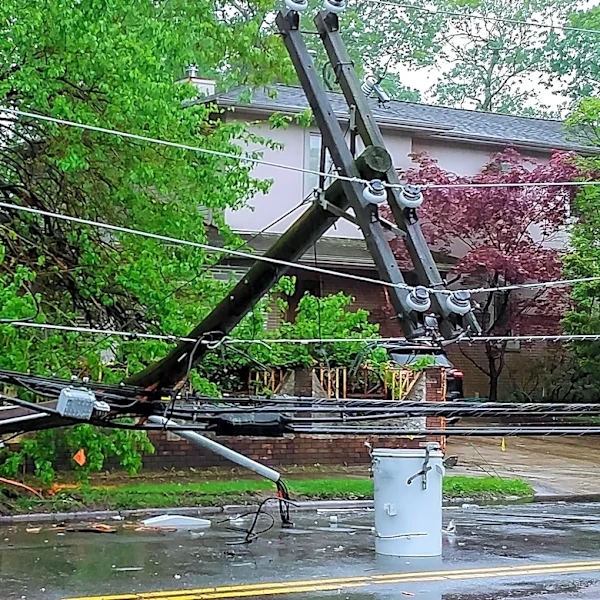
The findings of the Vermont Climate Assessment have significant implications for the state's economy, infrastructure, and recreational industries. The shorter winter sports season directly impacts ski resorts, which are vital to Vermont's tourism sector. Increased reliance on snowmaking, while necessary for business continuity, incurs higher operational costs and energy consumption. Beyond recreation, the report underscores the vulnerability of Vermont's aging infrastructure to severe weather events. Ted Brady, executive director of the Vermont League of Cities and Towns, points out that municipalities are facing increased costs for maintaining roads, water, and wastewater systems due to more frequent disasters. This diverts local government resources from other essential services and long-term planning, forcing them to become 'experts in disaster funding' and 'resiliency.' The accelerating pace of climate change means that these challenges are not diminishing but intensifying, requiring substantial investment and coordinated planning to mitigate risks and adapt to the new climate reality.
What's Next?
The authors of the Vermont Climate Assessment emphasize the immediate need for action to adapt to future climate risks. They advocate for 'coordinated planning and investment in natural, physical, financial, and social infrastructure.' While Vermont's governmental bodies have made efforts to support local governments in this regard, the report suggests that significant financial resources are required to implement effective changes on the ground. Municipalities will likely continue to grapple with infrastructure needs, including water, wastewater, stormwater, roads, bridges, and culverts, with current state funding potentially insufficient to address these growing challenges. The ongoing increase in severe weather events will necessitate continued focus on disaster preparedness and recovery, potentially leading to further strain on local budgets and administrative capacity. The report serves as a call to action for policymakers and communities to prioritize climate adaptation strategies and secure the necessary funding to protect the state's infrastructure and economy.
Beyond the Headlines
The Vermont Climate Assessment reveals a deeper narrative about the long-term shifts impacting the state's identity and way of life. The changes in winter conditions, particularly the decreased snowpack and inconsistent freeze-thaw cycles, threaten not only the economic viability of the ski industry but also the cultural heritage associated with Vermont's snowy winters. The report implicitly highlights an ethical dimension concerning resource allocation, as local governments are forced to prioritize disaster response over other community development initiatives. This shift in focus could lead to a decline in quality of life aspects not directly related to climate resilience. Furthermore, the accelerating pace of climate indicators suggests that current adaptation strategies may need to be continually re-evaluated and scaled up. The assessment underscores the broader challenge faced by many U.S. states in balancing economic development with environmental stewardship in an era of rapid climate change, prompting questions about sustainable growth and community resilience in the face of an unpredictable future.