



What's Happening?
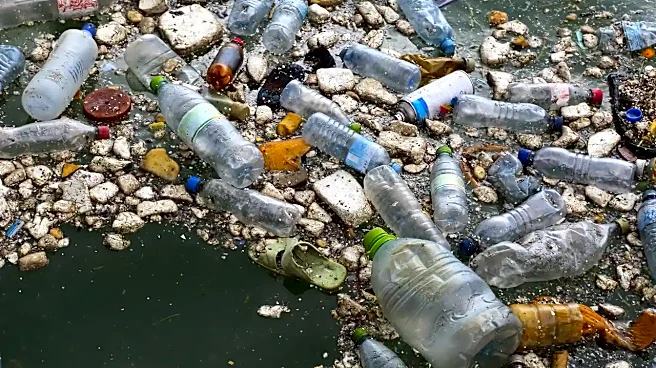
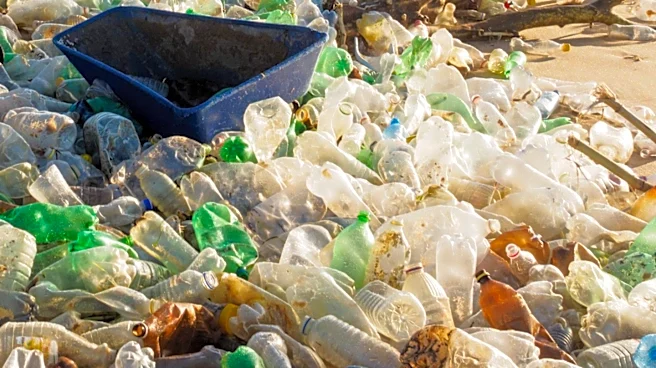
The Environmental Justice Foundation (EJF) has issued a statement underscoring the critical importance of reducing plastic production to safeguard the climate, environment, and humanity. The organization highlights that the current levels of plastic production and pollution
pose significant dangers that extend beyond ecological damage, impacting human health and contributing to climate change. EJF's message emphasizes that while cleanup efforts are necessary, the fundamental solution lies in addressing the source of the problem: the excessive manufacturing of plastics. This perspective aligns with broader environmental advocacy efforts that call for systemic changes in industrial practices and consumption patterns to mitigate the widespread negative effects of plastic on global ecosystems and human well-being.
Why It's Important?
The Environmental Justice Foundation's call to reduce plastic production is significant because it addresses a root cause of environmental degradation and climate change. Plastic production is a major consumer of fossil fuels, contributing to greenhouse gas emissions throughout its lifecycle, from extraction to manufacturing and disposal. The pervasive nature of plastic pollution, from oceans to land, directly impacts biodiversity, contaminates food chains, and poses health risks to humans through microplastic ingestion. For the U.S., this message underscores the need for policy shifts towards a more sustainable economy, potentially influencing regulations on plastic manufacturing, packaging, and waste management. Industries reliant on plastic, such as consumer goods and packaging, would face pressure to innovate and adopt more sustainable materials and production methods, driving investment in green technologies and circular economy initiatives. This could lead to significant economic and social transformations, prioritizing long-term environmental health over short-term economic gains.
What's Next?
Following statements from organizations like the Environmental Justice Foundation, increased pressure is likely to be placed on policymakers and corporations to implement more stringent measures to reduce plastic production. This could manifest in several ways, including legislative proposals for plastic bans, extended producer responsibility schemes, and incentives for companies to adopt sustainable alternatives. Consumers may also become more aware and demand products with less plastic packaging, influencing market trends. International discussions, such as those at COP31, will continue to explore global frameworks for plastic reduction, potentially leading to legally binding agreements that impact national policies. Businesses will need to anticipate these changes and proactively invest in research and development for new materials and circular business models to remain competitive and compliant with evolving environmental standards.
Beyond the Headlines
The Environmental Justice Foundation's advocacy for reducing plastic production delves into deeper ethical and social justice issues. Communities, particularly those marginalized and low-income, often bear a disproportionate burden of plastic pollution, from proximity to manufacturing plants to inadequate waste management infrastructure. This highlights the environmental justice aspect of plastic pollution, where the benefits of plastic consumption are often enjoyed by one group while the environmental and health costs are borne by another. Addressing plastic production therefore becomes a matter of equity and human rights. Furthermore, the reliance on plastic is deeply embedded in modern consumer culture, raising questions about societal values, convenience, and the true cost of disposable goods. A fundamental shift away from excessive plastic use would require not only technological innovation but also a cultural transformation in how societies consume and manage resources, fostering a more sustainable and equitable future.