
What's Happening?
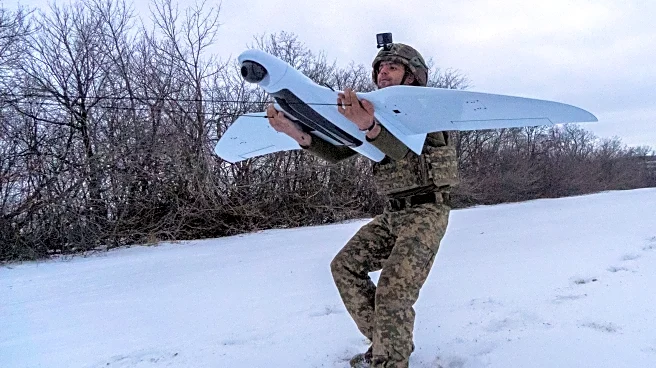
President Volodymyr Zelensky of Ukraine has directed his government to develop support options for Gulf countries facing Iranian drone and missile attacks. This initiative comes as Middle Eastern nations report large-scale assaults involving Shahed-type
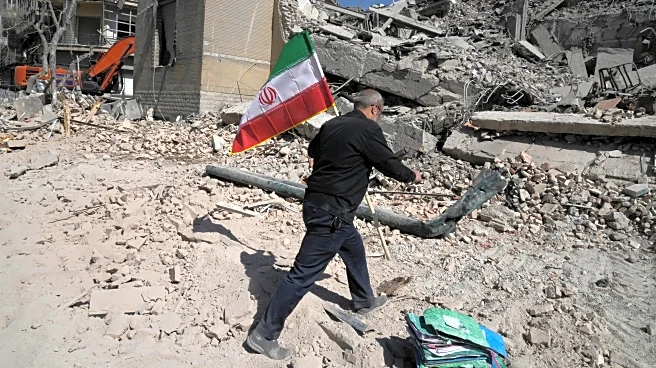
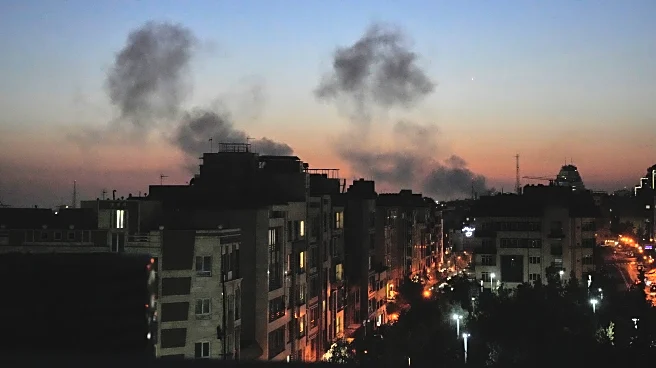
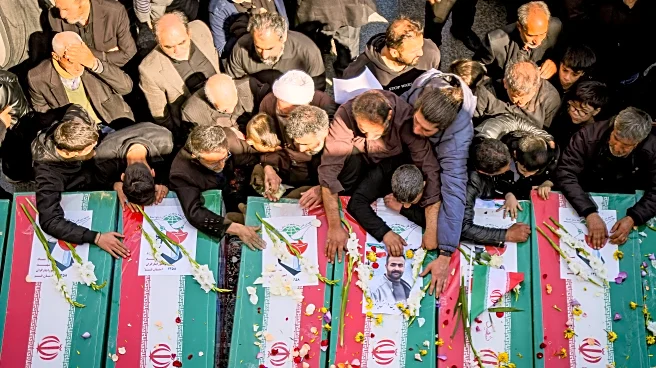
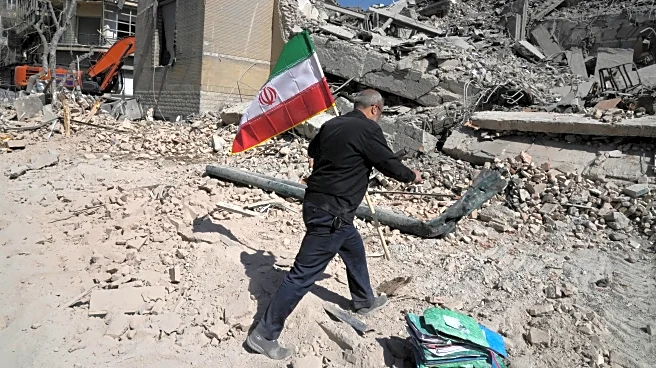
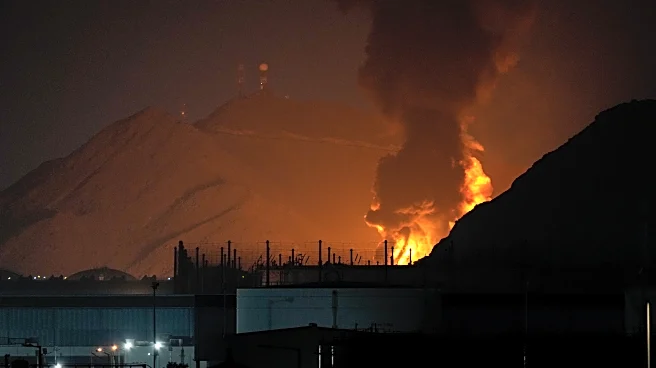
drones, similar to those used by Russia against Ukraine. Zelensky has engaged in discussions with leaders from the United Arab Emirates, Qatar, Jordan, and Bahrain, and plans to speak with Kuwait's leadership. The Ukrainian president emphasized the need to assist these countries without compromising Ukraine's own defense capabilities. The escalation in the region began with coordinated strikes by Israel and the United States on Iranian military infrastructure, prompting retaliatory actions from Tehran against Israel and several Gulf states. NATO air defense systems recently intercepted a ballistic missile from Iran aimed at Turkish airspace, marking a significant incident in the ongoing conflict.
Why It's Important?
The development underscores the growing complexity of international alliances and the interconnected nature of global security threats. Ukraine's involvement in supporting Middle Eastern allies highlights its strategic positioning and the potential for increased geopolitical influence. The situation also reflects the broader implications of Iran's military actions on regional stability and global energy markets, as shipping routes and oil prices face increased volatility. The involvement of NATO and the interception of missiles further illustrate the potential for escalation and the need for coordinated international responses to maintain stability.
What's Next?
Ukraine's proposal to assist Middle Eastern countries could lead to increased collaboration and military partnerships, potentially altering the balance of power in the region. The ongoing conflict may prompt further international diplomatic efforts to de-escalate tensions and address the root causes of the hostilities. Additionally, the situation could influence global energy policies and market dynamics, as countries seek to mitigate the impact of disrupted oil supplies and rising prices.