


What's Happening?
International Bridges to Justice (IBJ) is working to bridge the gap between written legal rights and their practical implementation for detainees worldwide. The organization, celebrating 25 years of effort, focuses on building sustainable criminal legal systems
to ensure access to competent lawyers at the earliest possible time for all individuals, especially the vulnerable. IBJ's director of international programs, Sanjeewa Liyanage, highlights that while most countries guarantee legal rights in writing, institutional implementation often lags. In Myanmar, following the military coup in February 2021, IBJ's five in-country justice centers and 40 staff became a crucial legal resource for detainees. Lawyers served as the primary link between detainees and their families, delivering letters and medicine, and defending legal rights. In one instance, IBJ lawyers negotiated the release of 80 to 90 individuals held at a military camp, often working under significant personal risk, with some lawyers going into hiding with their children while continuing their work.
Why It's Important?
IBJ's work is vital because it addresses a fundamental flaw in global justice systems: the disparity between legal guarantees and actual access to legal representation. This gap disproportionately affects the poor, minorities, migrants, women, and LGBTQ+ individuals, who often face pretrial detention without legal counsel. The organization's efforts in crisis zones like post-coup Myanmar demonstrate the critical role of legal aid in upholding human rights during political instability. By providing legal assistance, IBJ not only secures individual releases but also works towards systemic change, influencing national policies and practices. The presence of lawyers in detention centers and courts helps ensure due process, prevents prolonged arbitrary detention, and offers a lifeline to families seeking information about their detained relatives. This work is crucial for maintaining a semblance of justice and accountability even in the most challenging environments.
What's Next?
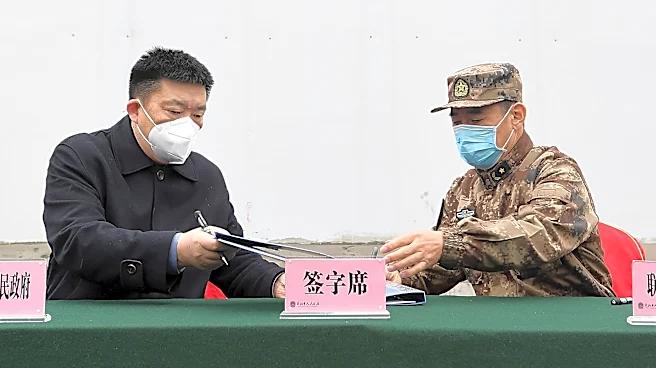
IBJ aims to continue its long-term investment in time, resources, and commitment to transform justice systems globally. The organization's strategy involves demonstrating effective legal aid models through pilot projects and then advocating for their national adoption. This approach has led to documented policy changes in countries like China, where juvenile justice reforms and duty-lawyer schemes were incorporated into national law. In Cambodia, IBJ's efforts helped shape a national criminal legal aid program. The organization will likely continue to expand its reach and influence, focusing on systemic change rather than just individual case numbers. This includes training more defense lawyers, establishing additional legal aid centers, and working with justice institutions to reform policies that hinder access to rights. The goal is to create a global legal landscape where protections are available from the earliest stages of a case, ensuring that courts expect and rely on the presence of defense lawyers.
Beyond the Headlines
The work of organizations like IBJ highlights the profound ethical and societal implications of unequal access to justice. Beyond the immediate legal outcomes, the presence of defense lawyers in challenging environments can act as a deterrent against abuses of power and contribute to the rule of law. The personal risks undertaken by IBJ lawyers in places like Myanmar underscore the moral courage required to defend fundamental human rights. This effort also reveals the interconnectedness of global justice, where political crises in one nation can necessitate international legal aid to protect vulnerable populations. The long-term commitment required for systemic change, as emphasized by Liyanage, suggests that true justice reform is not a quick fix but an ongoing process that demands sustained international attention and support. The success of IBJ's model could inspire similar initiatives, fostering a global movement towards more equitable and accessible legal systems.