





What's Happening?
Slovak Prosecutor General Maroš Žilinka has ordered the reopening of criminal proceedings concerning the 2023 donation of MiG-29 fighter jets and Kub air defense equipment to Ukraine. This decision, announced on October 30, 2026, overturns a previous
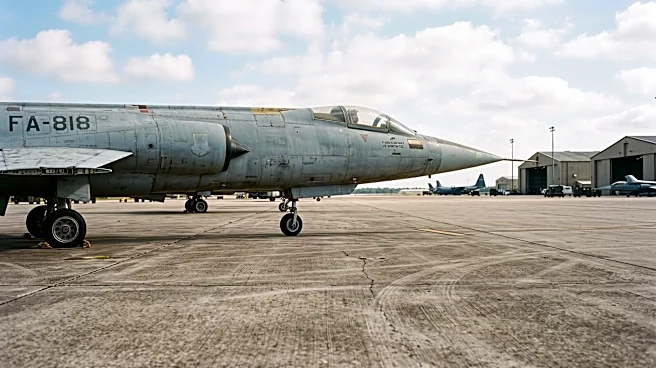
ruling that had closed the case a year prior. Žilinka stated that the original decision to halt the proceedings was premature, citing insufficient establishment of facts. The case has been transferred from Bratislava prosecutors to the regional prosecutor in Trenčín, with instructions to restart the investigation. The proceedings are focused on suspected offenses of breach of duty in managing another's property and abuse of power by a public official. The investigation is being conducted 'in the matter' rather than against a named individual. This move revives a significant political dispute in Slovakia regarding the legality of providing Ukraine with its entire fighter fleet. The Slovak Air Force retired its 13 MiG-29s on August 31, 2022, and the caretaker government of Prime Minister Eduard Heger approved their transfer to Ukraine on March 17, 2023. The package included nine MiG-29AS single-seaters, two MiG-29As, a MiG-29UBS, a MiG-29UB two-seater, two Kub launchers, a radar, and 200 missiles.
Why It's Important?
The reopening of this investigation highlights the deep political divisions within Slovakia regarding its foreign policy and support for Ukraine. The current government, led by Prime Minister Robert Fico, has been critical of the previous administration's military aid to Ukraine, with Fico halting state military aid upon his return to power in late 2023. The Defence Ministry under Fico filed a criminal complaint in June 2024, accusing former Prime Minister Heger and former Defence Minister Jaroslav Naď of sabotage, abuse of power, and mismanagement of public property, allegations they deny. Defence Minister Robert Kaliňák even labeled the act as treason. This legal challenge could set a precedent for how future caretaker governments handle significant national assets and international commitments, particularly in times of geopolitical crisis. The outcome of this investigation could also influence Slovakia's standing within NATO and the European Union, as allies have provided compensation pledges for the donated jets. Furthermore, it underscores the ongoing debate about the value and strategic importance of older military equipment in modern conflicts and the financial implications of such transfers.
What's Next?
The investigation will now proceed under the regional prosecutor in Trenčín, who will be tasked with re-examining the facts surrounding the MiG-29 donation. This could involve further evidence gathering, witness testimonies, and a detailed review of the decision-making process by the previous government. While the reopening of the case does not imply guilt, it signifies a renewed legal scrutiny that could lead to formal charges against individuals involved in the 2023 transfer. Political reactions are expected to be significant, with the current government likely to emphasize its commitment to accountability, while opposition parties may defend the original decision as an act of solidarity. The legal proceedings could be protracted, potentially spanning months or even years, given the complexity and political sensitivity of the case. The outcome will be closely watched by international observers, particularly NATO allies, as it could impact future defense cooperation and aid policies within the alliance. Meanwhile, Ukraine continues to receive military aid from other partners, including additional MiG-29s from Poland, indicating that the broader support for Ukraine's defense efforts remains ongoing despite internal political disputes in some donor countries.
Beyond the Headlines
This case delves into the intricate balance between national sovereignty, international alliances, and domestic political shifts. The accusation of 'breach of duty in managing another’s property' and 'abuse of power by a public official' raises fundamental questions about the authority of caretaker governments to make significant decisions, especially those involving national defense assets. It highlights the potential for political transitions to trigger retrospective legal challenges against previous administrations, creating an environment of uncertainty for future policy-making. The dispute also reflects a broader ideological struggle within Slovakia regarding its geopolitical alignment and its role in the ongoing conflict in Ukraine. The current government's stance suggests a move towards a more nationalistic and less interventionist foreign policy, which could have long-term implications for Slovakia's integration within Western security structures. Ethically, the case touches upon the responsibility of leaders to act in the perceived best interest of the nation, even when those actions are later contested by successor governments. The legal outcome could influence how countries define 'national interest' in the context of international aid and defense cooperation, potentially leading to more cautious approaches to military donations in the future.