








What's Happening?
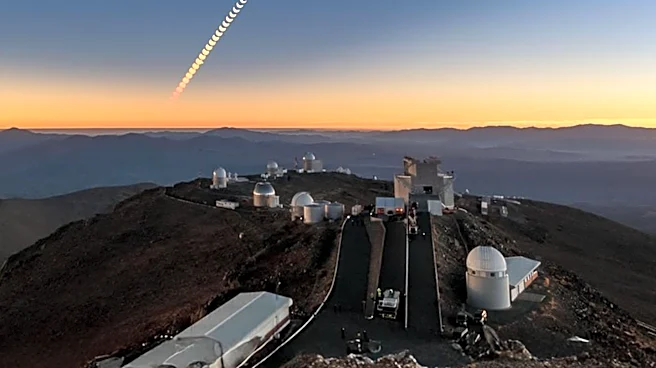
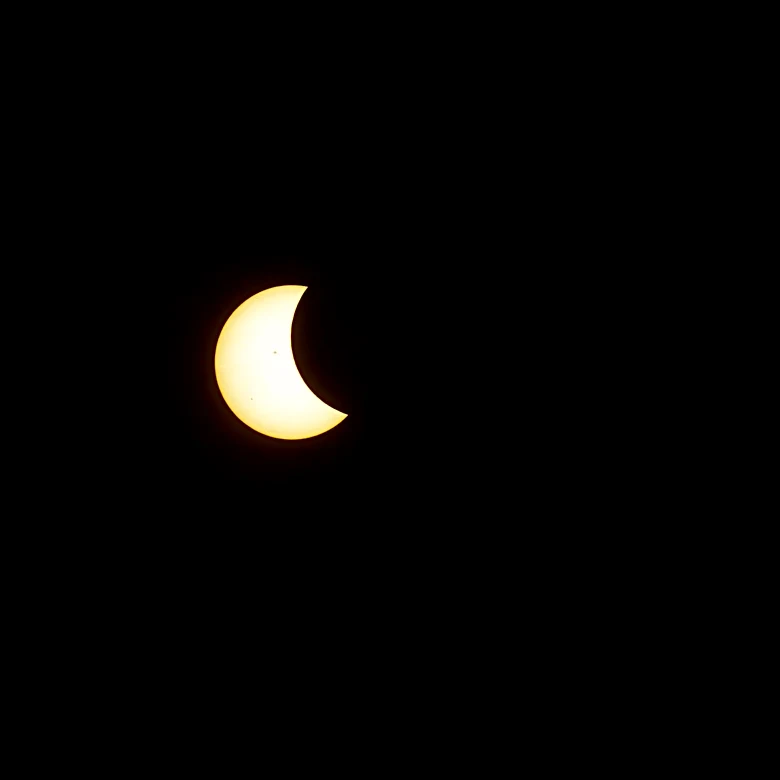
The upcoming total solar eclipse on August 12, 2026, will provide scientists with a valuable opportunity to study the sun and Earth's atmosphere. Despite advances in solar probes, eclipses remain important for research due to their accessibility and low
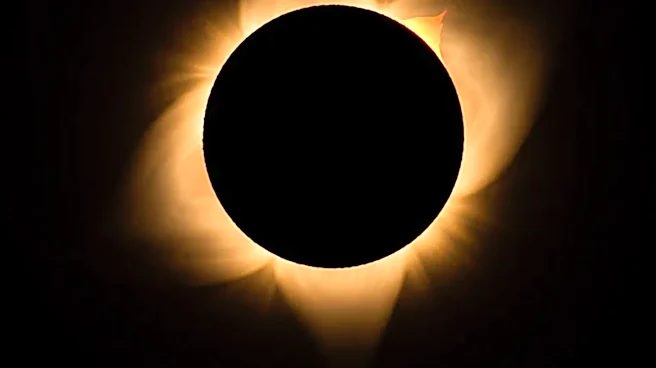
cost. The eclipse will be visible in parts of Western Europe, including Greenland, Iceland, and Spain. Researchers plan to conduct various experiments, such as the Nationwide Eclipse Ballooning Project, which will study atmospheric responses using high-altitude balloons. The eclipse will also allow for the observation of the sun's corona, offering insights into solar and atmospheric dynamics.
Why It's Important?
Total solar eclipses offer a rare chance to observe the sun's corona and study its effects on Earth's atmosphere without the need for expensive space missions. This accessibility allows a broader range of research groups to participate, fostering innovation and collaboration. The data collected during the eclipse can enhance understanding of solar phenomena and improve models of atmospheric behavior. Such research is crucial for predicting and mitigating the impacts of solar activity on Earth's climate and technological systems, contributing to advancements in space science and atmospheric studies.
What's Next?
As the eclipse approaches, scientists will finalize their experimental setups and coordinate international efforts to maximize data collection. The results from these studies could inform future solar research and improve predictive models of solar and atmospheric interactions. Public interest in the eclipse may also lead to increased engagement with space science, inspiring educational initiatives and outreach programs. The findings from this event could pave the way for more comprehensive studies during future eclipses, furthering our understanding of the sun and its influence on Earth.