






What's Happening?
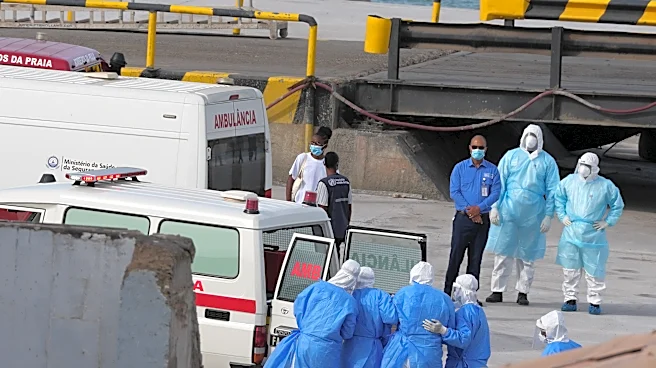
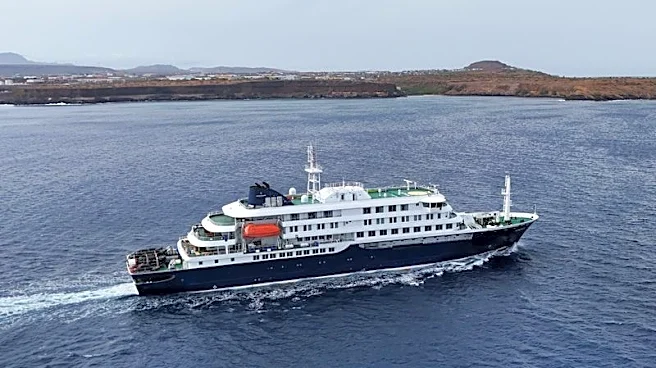
A hantavirus outbreak on the MV Hondius cruise ship has highlighted the limited involvement of the U.S. Centers for Disease Control and Prevention (CDC) in international health crises. The outbreak, which involves American passengers, has been primarily
managed by international health experts rather than the CDC. The virus, identified as the Andes strain, is capable of human-to-human transmission, unlike other hantavirus strains. The CDC's delayed response included deploying teams to Spain's Canary Islands and Nebraska to assist American passengers. The agency's diminished role has raised questions about its current capacity and effectiveness in handling global health threats.
Why It's Important?
The CDC's reduced involvement in the hantavirus outbreak signals potential vulnerabilities in the U.S. public health system. Historically, the CDC has been a leader in global health responses, but recent administrative changes and resource constraints have impacted its operations. This situation underscores the need for robust public health infrastructure and international collaboration to effectively manage disease outbreaks. The outbreak also highlights the importance of maintaining strong ties with global health organizations like the World Health Organization (WHO) to ensure coordinated responses to emerging health threats.
What's Next?
The CDC has begun to take action by deploying teams to assist with the outbreak, but the agency's future role in international health crises remains uncertain. The U.S. government may need to reassess its public health strategies and resource allocation to strengthen the CDC's capacity. Additionally, the outbreak could prompt discussions on improving international health cooperation and communication to prevent similar situations in the future. Stakeholders, including public health officials and policymakers, will likely evaluate the lessons learned from this incident to enhance preparedness for future outbreaks.