





What's Happening?
A new study published in Science Advances reveals that climate change is depleting oxygen levels in rivers worldwide, with tropical rivers being the most affected. Led by Prof. Kun Shi from the Nanjing Institute of Geography and Limnology, the research
analyzed data from over 21,000 river reaches globally, showing a significant decline in oxygen levels. The study highlights the critical role of dissolved oxygen in maintaining river ecosystems and warns of the risks to aquatic life as oxygen levels drop. The findings emphasize the urgent need for strategies to mitigate oxygen loss in freshwater ecosystems.
Why It's Important?
The decline in river oxygen levels poses a significant threat to biodiversity and the health of aquatic ecosystems. As oxygen levels fall, fish and other species face increased risks, potentially disrupting food chains and local economies dependent on fishing. The study underscores the broader impact of climate change on natural resources, highlighting the need for global efforts to address environmental challenges. Policymakers and environmental organizations may need to prioritize interventions in tropical regions to prevent further ecological degradation.
What's Next?
The study calls for targeted mitigation efforts to address river deoxygenation, particularly in tropical regions. Policymakers may need to develop strategies that consider the unique vulnerabilities of these ecosystems. Future research could focus on identifying specific interventions to slow oxygen loss and protect aquatic life. International cooperation may be necessary to implement effective solutions, given the global nature of the issue.
Beyond the Headlines
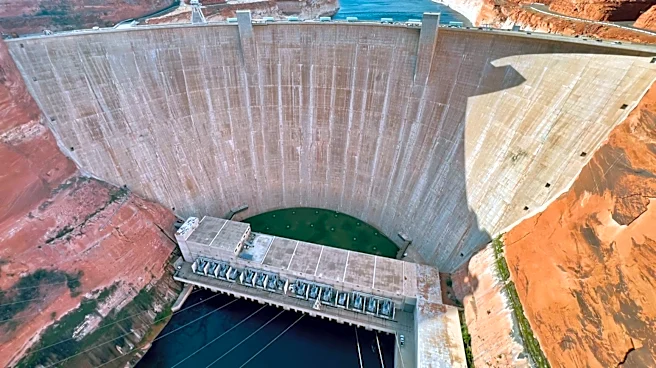
The findings raise awareness of the less visible impacts of climate change on freshwater ecosystems. The study highlights the interconnectedness of global environmental issues, emphasizing the need for comprehensive approaches to climate adaptation. The role of human activities, such as dam construction and water management, in influencing river oxygen levels may prompt discussions on sustainable development practices.