





What's Happening?
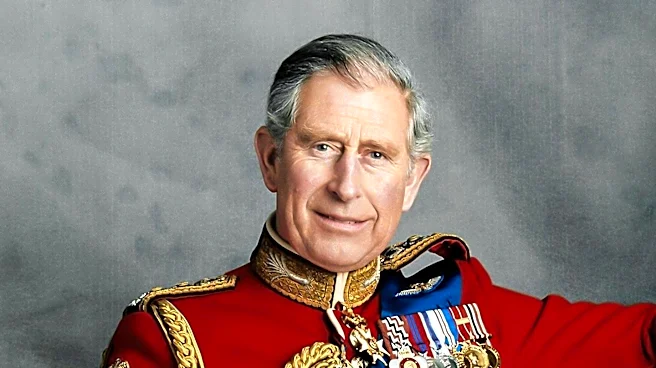
King Charles III has decided not to move into Buckingham Palace after a decade-long renovation project costing £369 million ($488 million) concludes next year. Instead, he will continue residing at Clarence House, where he has lived since 2003. Buckingham Palace will remain
the administrative headquarters of the monarchy and continue to host ceremonial and official functions. The decision marks a break from tradition, as Buckingham Palace has been the official London residence of the British sovereign since Queen Victoria's reign in 1837. Despite the renovations, which include significant updates to electrical, plumbing, and mechanical systems, as well as asbestos removal, King Charles has chosen to maintain his residence at Clarence House.
Why It's Important?
This decision by King Charles III could have implications for the perception and role of Buckingham Palace in British public life. While the palace will continue to serve as a venue for official events, its status as the primary royal residence is changing. This shift may affect tourism and public interest, as some visitors may view the palace as less significant without the monarch residing there. Additionally, the decision has sparked criticism regarding the substantial public funds used for the renovations, with some questioning the necessity of such expenses if the palace will not serve as the monarch's home. The move also reflects a broader trend of modernization and adaptation within the British monarchy, as it seeks to balance tradition with contemporary needs and public expectations.
What's Next?
As the renovations at Buckingham Palace near completion, it remains to be seen how this decision will impact the monarchy's public image and the palace's role in royal affairs. The British government and the monarchy may face increased scrutiny over the use of public funds for the renovations. Additionally, there may be discussions about the future use of Buckingham Palace, with some suggesting it could be transformed into a museum or art gallery. The decision also raises questions about the future of royal residences and how they will be utilized by the monarchy in the coming years.
Beyond the Headlines
The decision not to reside in Buckingham Palace highlights the evolving nature of the British monarchy and its approach to tradition and modernity. It underscores the challenges faced by the monarchy in maintaining relevance and public support in a rapidly changing world. The choice to remain at Clarence House, a more personal and less formal residence, may reflect a desire for a more private and less institutionalized royal lifestyle. This move could signal a shift towards a more streamlined and accessible monarchy, potentially influencing public perceptions and expectations of royal life.