



What's Happening?
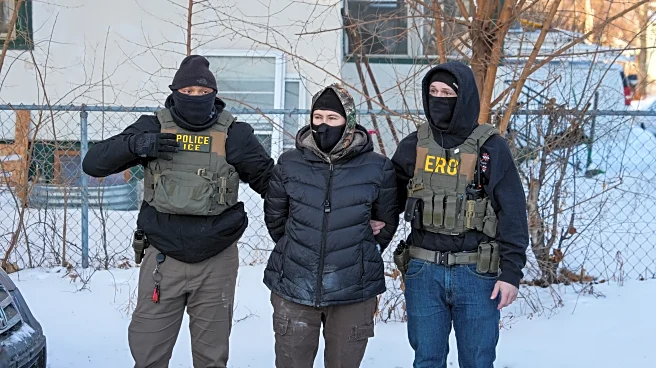
An Australian teenager from New South Wales has been charged by the Australian Federal Police (AFP) for making multiple hoax calls, known as 'swatting', to major educational and retail institutions in the United States. These calls falsely reported mass
shootings, prompting emergency responses from SWAT units. The teenager is alleged to be part of a decentralized online crime network linked to swatting activities in the U.S. The AFP, acting on intelligence from the U.S. Federal Bureau of Investigation (FBI), conducted a raid on the teenager's home, seizing electronic devices and a pistol. The teenager faces charges of using a telecommunications network to commit serious offenses, which carry significant prison sentences.
Why It's Important?
This case highlights the international nature of cybercrime and the challenges law enforcement agencies face in addressing it. Swatting incidents not only cause panic and disruption but also waste valuable emergency resources and pose risks to public safety. The involvement of a teenager in such serious crimes underscores the need for increased awareness and preventive measures against online criminal activities. The collaboration between the AFP and FBI demonstrates the importance of international cooperation in tackling cybercrime, which often transcends national borders. The financial and emotional impact on the affected U.S. institutions and communities is significant, emphasizing the need for robust cybersecurity measures.
What's Next?
The teenager has appeared in a New South Wales Children's Court, and the legal proceedings will continue as the case develops. The AFP's Taskforce Pompilid, established to target online offenders, will likely continue its efforts to dismantle networks involved in swatting and other cybercrimes. This case may prompt further discussions on international legal frameworks and cooperation to effectively combat cybercrime. Educational institutions and businesses in the U.S. may also review and strengthen their emergency response protocols to mitigate the impact of potential future swatting incidents.