





What's Happening?
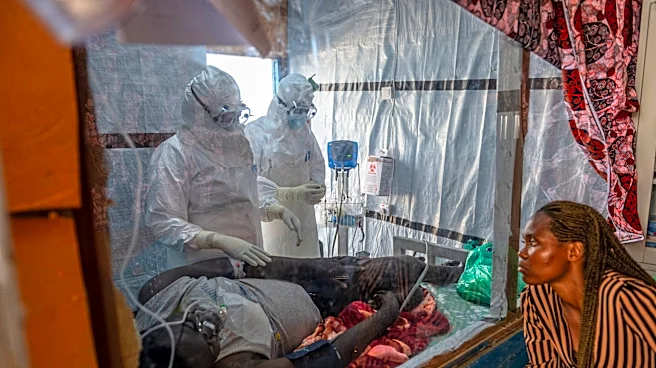
Venezuela has confirmed that three individuals have died from hantavirus infections, with two additional deaths suspected in the southwestern state of Barinas. The Health Ministry has stated that there is no evidence of human-to-human transmission in these
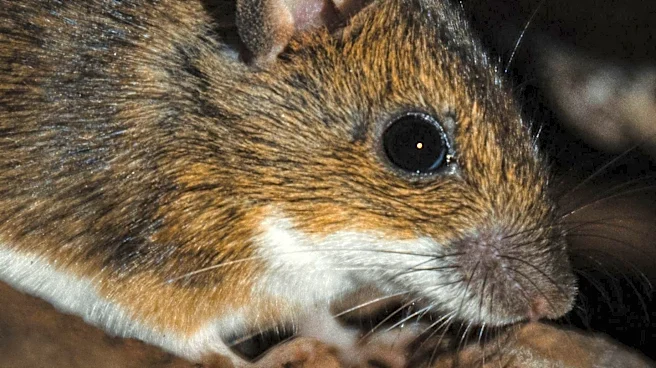
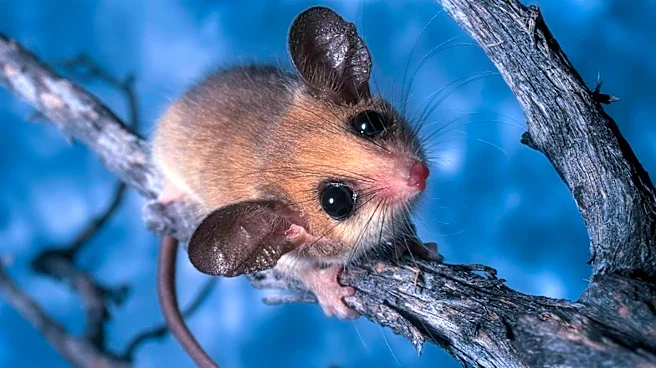
cases. The confirmed deaths occurred in the eastern state of Anzoátegui, and the ministry has described these incidents as isolated, posing no risk to the general community. Health workers are being dispatched to the affected areas to ensure public health security. Hantavirus, a rodent-borne disease, is rare and typically not easily transmitted between humans. However, a recent outbreak on a cruise ship in the Atlantic, involving the Andes hantavirus, has raised global concerns due to its high mortality rate and lack of treatment options.
Why It's Important?
The hantavirus outbreak in Venezuela highlights the ongoing public health challenges posed by zoonotic diseases, which can jump from animals to humans. The situation underscores the need for vigilant monitoring and rapid response to prevent potential outbreaks. The recent cruise ship incident has drawn international attention to the Andes hantavirus, known for its severe health implications and high mortality rate. This development is significant for global health authorities, as it emphasizes the importance of understanding and controlling zoonotic diseases to prevent widespread health crises. The Venezuelan government's response will be crucial in managing the current situation and preventing further spread.
What's Next?
Health authorities in Venezuela are expected to continue their investigation into the suspected hantavirus cases and implement measures to prevent further infections. The deployment of health workers to affected areas aims to enhance surveillance and control efforts. International health organizations may also become involved to provide support and expertise. The situation may prompt a review of public health policies and strategies to address zoonotic diseases more effectively. Additionally, the global health community will likely monitor the situation closely, given the potential implications for international public health security.