






What's Happening?
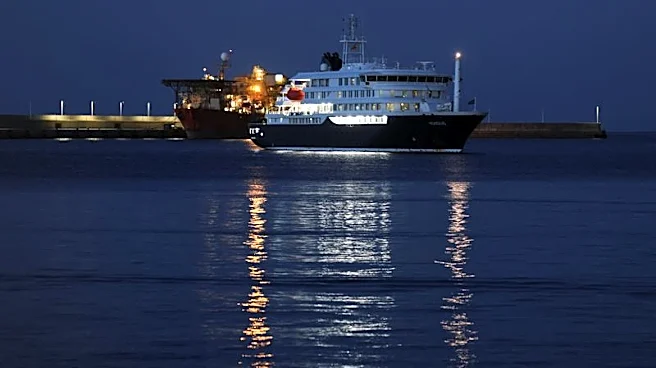
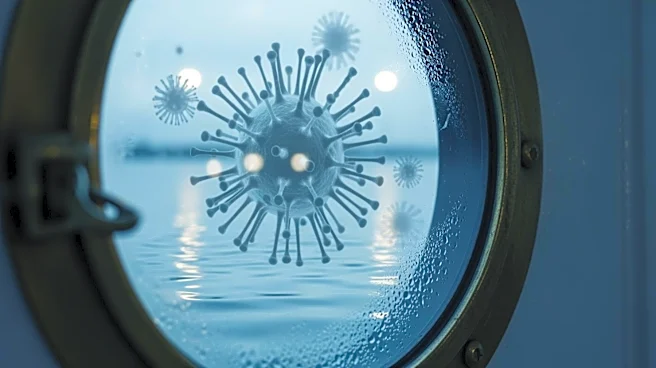
A recent hantavirus outbreak on the MV Hondius cruise ship has raised public health concerns, drawing comparisons to the COVID-19 pandemic. The outbreak resulted in three deaths and several confirmed cases. Experts, including Dr. Tyler Evans, emphasize
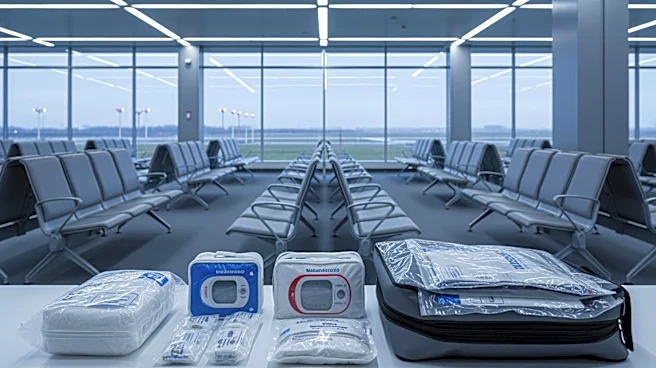
that the risk of a global pandemic from hantavirus is low. Unlike COVID-19, hantavirus requires close contact with an infected person for transmission. The Centers for Disease Control and Prevention (CDC) and other health authorities are closely monitoring the situation. The incident highlights the need for improved public health infrastructure on cruise ships, such as routine health presence, onboard diagnostic capacity, and mandatory pre-departure screenings.
Why It's Important?
The outbreak underscores the ongoing threat of zoonotic diseases and the importance of preparedness for future outbreaks. While hantavirus is not expected to become a pandemic, the situation serves as a reminder of the vulnerabilities in public health systems, particularly in the cruise industry. The need for better health infrastructure on cruise ships is critical to prevent similar outbreaks in the future. This includes implementing routine health checks and improving diagnostic capabilities onboard. The incident also highlights the importance of public awareness and the need for travelers to be informed about potential health risks associated with cruise travel.
What's Next?
Public health officials will continue to monitor the situation closely. The cruise industry may face increased pressure to enhance health and safety measures on ships. Travelers may demand better health infrastructure and transparency regarding health risks. The incident could lead to policy changes and increased regulatory oversight of the cruise industry to ensure passenger safety. Additionally, there may be a push for more comprehensive health screenings and reporting requirements for cruise ships, particularly those traveling through regions with known health risks.
Beyond the Headlines
The outbreak on the MV Hondius highlights broader issues related to public health preparedness and the need for robust infrastructure to handle potential health crises. It also raises questions about the responsibilities of the cruise industry in ensuring passenger safety and the role of government agencies in regulating health standards on ships. The incident may prompt discussions about the balance between tourism and public health, as well as the ethical considerations of operating cruises in regions with limited medical resources.