



What's Happening?
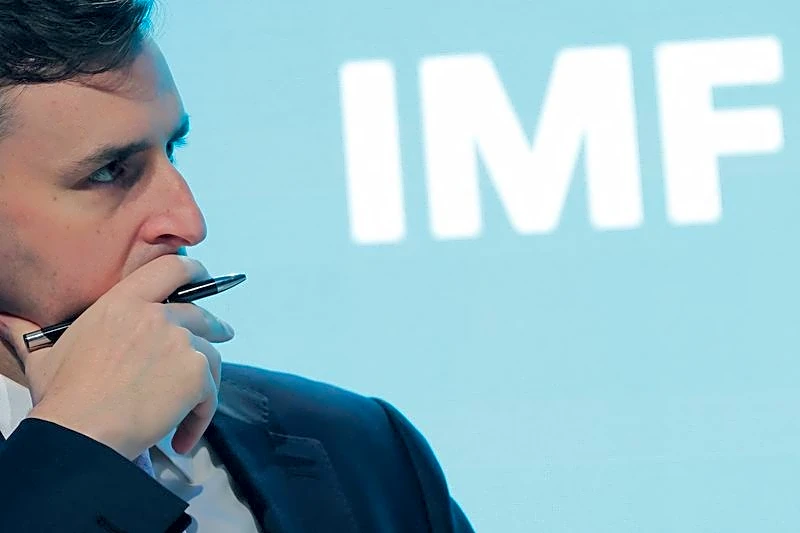
The International Monetary Fund (IMF) has called on Pakistan to broaden its fiscal policy objectives beyond merely achieving primary balance targets and ensuring debt sustainability. According to Jihad Azour, Director of the IMF's Middle East and Central
Asia Department, Pakistan's fiscal strategy should now focus on reinforcing policy credibility, fostering economic recovery, and creating fiscal space for public investment and social spending. These measures are deemed crucial for supporting stronger, more sustainable long-term growth. Azour made these remarks at a workshop in Islamabad titled 'Reforms for a Modern and Growth-Friendly Tax System in Pakistan,' organized by the Ministry of Finance and Revenue in collaboration with the IMF. He emphasized that tax reform is a critical component of Pakistan's economic growth agenda and remains central to the objectives of the Extended Fund Facility (EFF). While acknowledging Pakistan's progress in restoring macroeconomic stability and rebuilding confidence, Azour stressed the need to transition from stabilization to more robust and durable growth by moving towards a competitive, investment-friendly, and inclusive economy.
Why It's Important?
The IMF's directive highlights a shift in focus from immediate financial stability to sustainable economic development for Pakistan. This is significant because it underscores the understanding that short-term fiscal adjustments, while necessary, are insufficient for long-term prosperity. By emphasizing policy credibility, the IMF aims to build investor confidence, which is vital for attracting foreign direct investment and stimulating domestic private sector growth. The call for increased public investment and social spending indicates a recognition that human capital development and infrastructure are foundational for sustained economic expansion and poverty reduction. For the U.S. and other international stakeholders, Pakistan's economic stability is crucial for regional security and trade. A stronger, more inclusive Pakistani economy could reduce geopolitical risks and create new opportunities for international partnerships. The emphasis on tax reform also signals a push for greater fiscal autonomy and reduced reliance on external borrowing, which could lead to a more resilient global financial system.
What's Next?
Following the IMF's recommendations, Pakistan is expected to intensify its efforts in implementing comprehensive tax reforms aimed at broadening the tax base, strengthening revenue administration, and reducing tax expenditures. The government will likely focus on developing a more competitive and investment-friendly economic environment to attract both domestic and foreign capital. This could involve streamlining regulatory processes, improving the ease of doing business, and enhancing legal protections for investors. Additionally, there will be an increased focus on allocating resources towards critical public investments in infrastructure, education, and healthcare, alongside social safety nets to support vulnerable populations. The IMF will continue to monitor Pakistan's progress through the Extended Fund Facility, with future disbursements likely contingent on the country's adherence to these broader policy objectives. International development partners and financial institutions will also be watching closely, potentially aligning their support with Pakistan's commitment to these long-term growth strategies.
Beyond the Headlines
The IMF's call for Pakistan to move beyond mere fiscal targets reflects a broader evolution in international financial institutions' approach to economic development. It acknowledges that sustainable growth requires a holistic strategy that integrates fiscal discipline with structural reforms, human development, and institutional strengthening. This perspective implicitly recognizes the limitations of austerity-only measures, which can sometimes stifle growth and exacerbate social inequalities. For Pakistan, successfully implementing these recommendations could lead to a fundamental transformation of its economic model, fostering a more resilient and equitable society. However, the challenge lies in navigating complex political and social dynamics to enact difficult reforms, particularly in taxation, which often face public resistance. The long-term implications include a potential shift in Pakistan's economic trajectory, moving away from cycles of boom and bust towards sustained development, which could have significant positive impacts on regional stability and global economic integration.