





What's Happening?
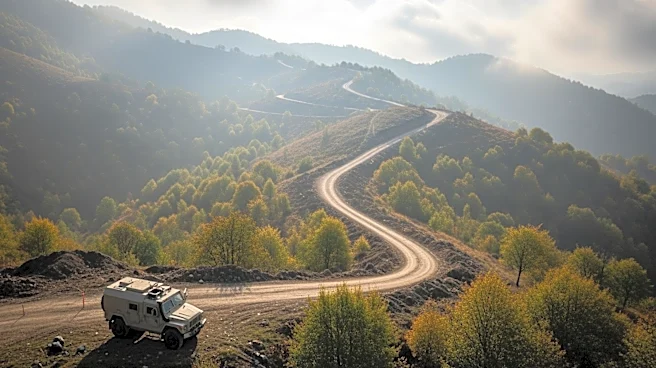
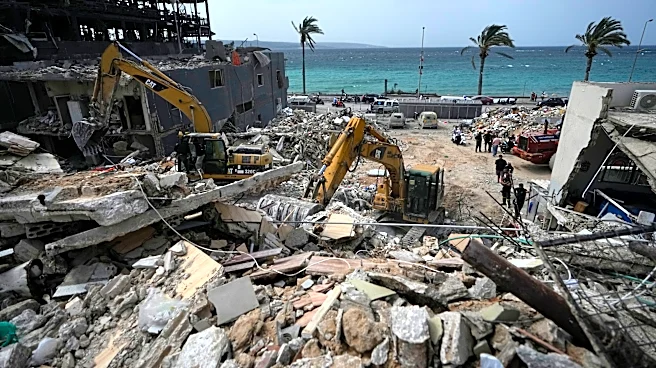
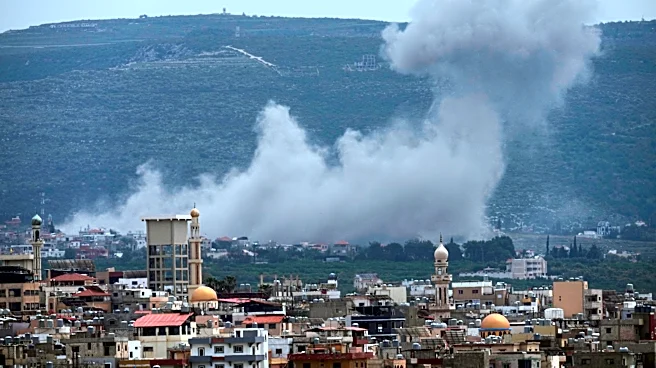
A fragile 10-day ceasefire is currently holding in southern Lebanon, despite ongoing Israeli strikes within a self-declared 'security zone'. Lebanese army engineers are actively working to reopen key river crossings and roads, facilitating the movement
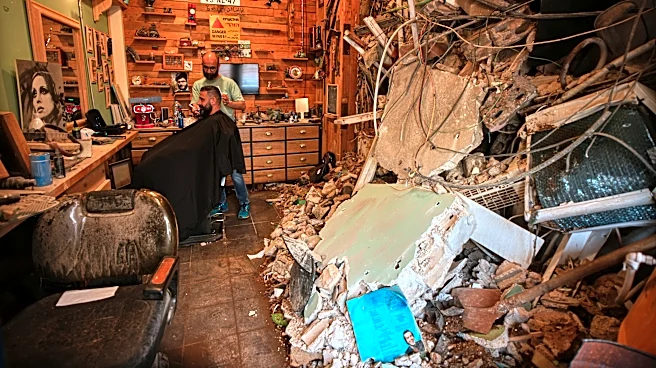
of thousands of displaced residents back to the south. The ceasefire follows a conflict that began on March 2, when Hezbollah launched rockets into Israeli territory, prompting Israeli military responses that have resulted in over 2,000 deaths in Lebanon and the displacement of more than one million people. The Israeli army has reported casualties, including the death of two soldiers, and has launched air strikes in response to what it claims are Hezbollah ceasefire violations. Meanwhile, a French member of the UN peacekeeping force in south Lebanon was killed in an attack attributed to Hezbollah, although the group denies involvement.
Why It's Important?
The ceasefire offers a critical opportunity for Lebanon to stabilize and potentially seek permanent agreements to prevent further conflict. For Israel, maintaining the ceasefire could reduce economic and security strains along its northern border. The reopening of roads and river crossings is essential for humanitarian efforts, allowing displaced residents to return home and facilitating the delivery of essential supplies. However, the situation remains tense, with ongoing military actions and accusations of ceasefire violations. The involvement of international actors, such as Turkey and France, highlights the broader geopolitical implications, as regional powers express concern over Israel's actions and the potential for further escalation.
What's Next?
The continuation of the ceasefire will depend on the actions of both Hezbollah and the Israeli military. International diplomatic efforts may intensify to ensure the ceasefire holds and to address the underlying issues that led to the conflict. The role of the UN peacekeeping force will be crucial in monitoring the situation and preventing further violence. Additionally, the humanitarian corridors established during the ceasefire will need to be maintained and expanded to support the return of displaced populations and the delivery of aid.
Beyond the Headlines
The conflict and subsequent ceasefire in Lebanon highlight the ongoing challenges of regional stability in the Middle East. The situation underscores the complex interplay of local and international politics, with countries like Turkey and France taking active roles in response to the crisis. The humanitarian impact is significant, with large-scale displacement and infrastructure damage requiring substantial international aid and reconstruction efforts. The ceasefire also raises questions about the long-term viability of peace agreements in the region and the potential for similar conflicts to arise in the future.