






What's Happening?
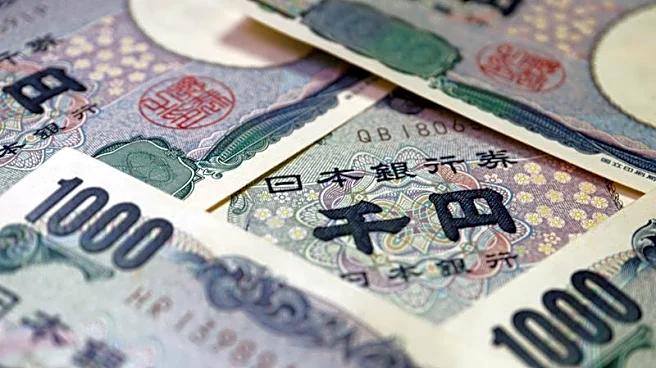
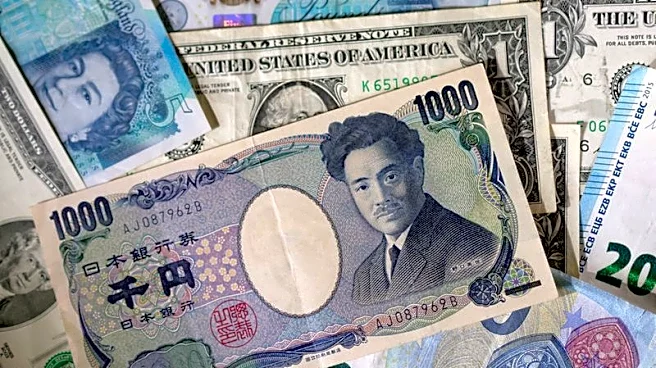
Japan has reportedly intervened in the foreign-exchange markets, spending approximately $34.5 billion to support the yen, marking the first such action since 2024. This intervention led to the yen's sharpest rally in three years, with the currency surging
by about 2% against the dollar. The move comes as the yen was nearing its weakest levels in four decades. Despite the intervention, experts suggest that without further action, the yen's gains may not be sustainable. The intervention was reportedly communicated to U.S. economic officials prior to its execution. The Japanese government is closely monitoring the situation, especially with the upcoming Golden Week holiday, which could affect market dynamics.
Why It's Important?
The intervention highlights Japan's ongoing struggle with a weakening yen, which, while beneficial for exports, poses risks of increased inflation due to higher import costs. The move underscores the challenges faced by Japan in balancing economic growth with inflation control. The intervention also reflects broader global economic uncertainties, as countries navigate post-pandemic recoveries and geopolitical tensions. The yen's performance is crucial for global markets, influencing trade balances and economic policies in other countries, including the U.S., which was informed of Japan's actions.
What's Next?
Japan may need to continue its market interventions to maintain the yen's strength, especially if global economic conditions remain volatile. The effectiveness of these interventions will be closely watched by international markets. Additionally, Japan's actions could prompt responses from other countries, potentially leading to coordinated efforts to stabilize currency markets. The situation will likely influence future monetary policy decisions in Japan and could impact global economic strategies.