







What's Happening?
A 2024 report by the RAND Corporation reveals a significant increase in the percentage of teachers who fear their students will experience an attack or harm at school. The report indicates that this fear rose from 34% in fall 2022 to 47% in fall 2023,
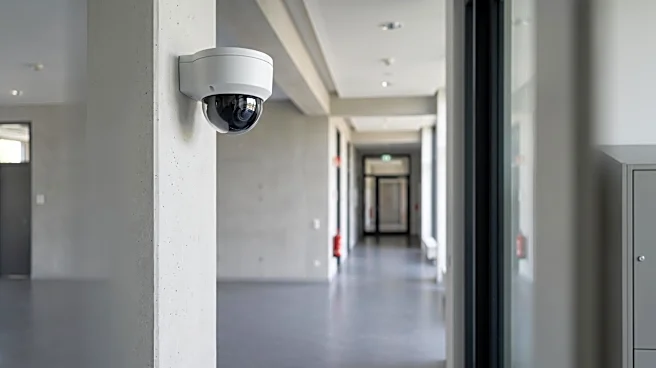
marking a 13-percentage-point increase. This shift underscores a growing concern among educators regarding school safety and campus security. The report emphasizes that this increase in fear should be a central consideration in all budget discussions related to school safety, campus security, and long-term security planning. The market often responds to these concerns with product-focused language, but district leaders require operational language to address the complexities of school security. The core decision extends beyond merely purchasing security equipment; it involves establishing how districts will maintain visibility, protect privacy, quickly recover footage, and ensure the reliability of their school surveillance systems over time. The report suggests that superintendents need a clearer framework for evaluating school security solutions, campus safety technology, and long-term student safety investments, rather than just vendor language.
Why It's Important?
The RAND Corporation's findings are critically important for U.S. public policy, education, and the security industry. The substantial increase in teacher fear directly impacts the learning environment and the mental well-being of both students and educators. This heightened anxiety can lead to decreased teacher retention, reduced educational effectiveness, and a general decline in the quality of the school experience. For policymakers, the report highlights an urgent need to re-evaluate and enhance school safety measures, potentially leading to increased funding allocations for security infrastructure, training, and mental health support in schools. The security industry stands to gain from the increased demand for comprehensive safety solutions, but the report also challenges them to provide more integrated and sustainable systems rather than just standalone products. Furthermore, the emphasis on privacy protection and quick footage recovery points to the need for advanced technological solutions that balance security with ethical considerations. The report's call for a more holistic approach to school security, moving beyond simple procurement to an operating model, will influence how school districts plan and implement their safety strategies, ultimately affecting the safety and security of millions of students nationwide.
What's Next?
Following the RAND Corporation's report, school districts and policymakers are likely to face increased pressure to address the rising concerns about school safety. Superintendents will need to engage in more thorough evaluations of security investments, focusing on long-term planning and operational effectiveness rather than just immediate purchases. This could lead to a greater demand for integrated security systems that offer features like AI-powered search for footage, smart sensor integration for camera-free spaces, and robust privacy protection mechanisms with role-based access. Grant reviewers for school security funding are also expected to prioritize proposals that demonstrate a clear understanding of risk, a comprehensive plan, and the ability to sustain investments over time. The report suggests that districts should seek integrators who can provide clear accountability for system uptime, including preventive maintenance and rapid troubleshooting. There may also be a push for greater collaboration between technology providers and integrators to ensure that security systems are not only effective but also maintainable and scalable. Ultimately, the report's findings will likely drive a shift towards more strategic and data-driven approaches to school security, with an emphasis on creating safer environments for students and staff.
Beyond the Headlines
The implications of the RAND Corporation's report extend beyond immediate security measures, touching upon deeper societal and psychological aspects of education. The pervasive fear among teachers can contribute to a culture of anxiety within schools, potentially impacting pedagogical approaches and student engagement. This environment might lead to an over-reliance on surveillance and security protocols, which, while necessary, could inadvertently create a more restrictive and less nurturing educational setting. There's a delicate balance to be struck between ensuring safety and fostering an open, trusting atmosphere conducive to learning. The report implicitly calls for a broader societal conversation about the root causes of violence and harm in schools, moving beyond reactive security measures to proactive community-based interventions and mental health support. Furthermore, the ethical considerations surrounding student privacy in an increasingly surveilled environment will become more prominent. The deployment of advanced security technologies necessitates clear guidelines and public discourse on data collection, usage, and retention to prevent potential abuses and maintain public trust. The long-term impact on the educational landscape could be a transformation of school design, curriculum, and community involvement, all aimed at creating environments where both physical and psychological safety are paramount.