








What's Happening?
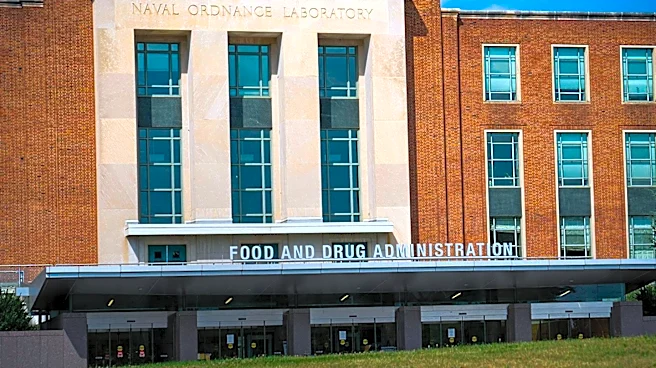
Health Canada and the U.S. FDA issued warnings in 2011 regarding the significant risk of serotonin syndrome when methylene blue is combined with certain antidepressants. Methylene blue is identified as a potent MAO-A inhibitor, an action similar to older
MAOI antidepressants. When taken with antidepressants, particularly SSRIs, which increase serotonin levels in the brain, methylene blue prevents the body from breaking down this excess serotonin. This can lead to a dangerous accumulation of serotonin, resulting in serotonin syndrome. The Mayo Clinic indicates that symptoms of serotonin syndrome typically appear within hours of starting a new drug or increasing a dose, and can include restlessness, confusion, a racing heart, heavy sweating, shivering, goosebumps, muscle twitching, and diarrhea. Severe cases can involve high fever, seizures, irregular heartbeat, loss of consciousness, and can be fatal. The warnings highlight that even doses below typical hospital ranges can meaningfully block the enzyme responsible for serotonin breakdown, and no safe lower dose for combining methylene blue with SSRIs has been established.
Why It's Important?
This information is crucial for public health and safety in the U.S., particularly given the increasing interest in substances like methylene blue for various purported benefits, including longevity biohacking. The warnings from the FDA underscore the potential dangers of self-medicating or combining supplements with prescribed medications without professional medical guidance. A significant portion of the population, including many women, takes medication for mood disorders, making them susceptible to this interaction. The lack of established safe dosages for combining methylene blue with antidepressants means that individuals attempting to use it for 'focus' or 'mitochondria' enhancement, as seen in viral trends, could inadvertently put themselves at severe risk. This situation highlights the critical need for healthcare providers to educate patients about potential drug interactions, especially with over-the-counter supplements or substances promoted online, to prevent serious adverse health outcomes and emergency medical situations.
What's Next?
Individuals currently taking antidepressants and considering methylene blue should consult their healthcare provider or pharmacist immediately. The FDA advises that most serotonergic antidepressants should be stopped at least two weeks before methylene blue administration, and fluoxetine at least five weeks, under medical supervision. Pharmacists are crucial in identifying potential interactions, especially with cold and flu remedies that may contain serotonergic components. Ongoing public health campaigns and medical advisories may continue to emphasize the dangers of combining these substances. Further research may be needed to establish safe guidelines or identify specific patient populations at higher risk. The medical community will likely continue to monitor and report cases of serotonin syndrome linked to methylene blue to refine clinical recommendations and public warnings.
Beyond the Headlines
The phenomenon of methylene blue gaining traction through viral content for unproven benefits like 'focus' and 'mitochondria' highlights a broader societal trend of biohacking and self-experimentation with substances outside of conventional medical oversight. This trend is often fueled by anecdotal evidence and social media, bypassing rigorous scientific validation and regulatory scrutiny. The historical context of methylene blue, from a textile dye to an early treatment for malaria and a distant ancestor of antidepressants, underscores the complex and often unpredictable journey of chemical compounds in medicine. The current warnings reveal a significant gap between public perception and scientific understanding of drug interactions, posing ethical challenges for content creators and platforms that disseminate health-related information. This situation calls for increased media literacy among consumers and a more proactive approach from regulatory bodies to address health claims made on digital platforms.