






What's Happening?
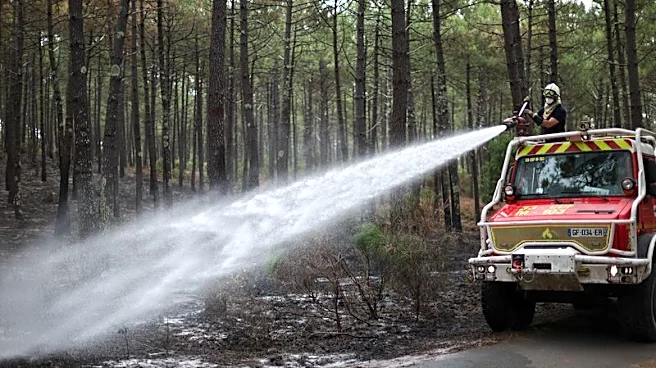
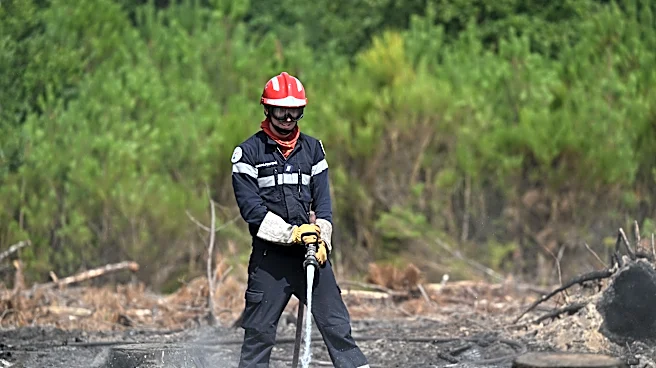
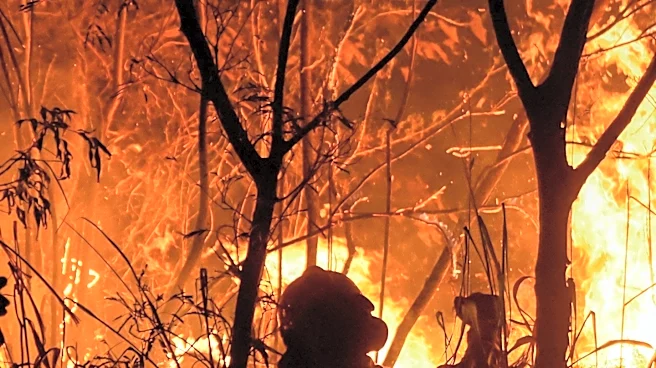
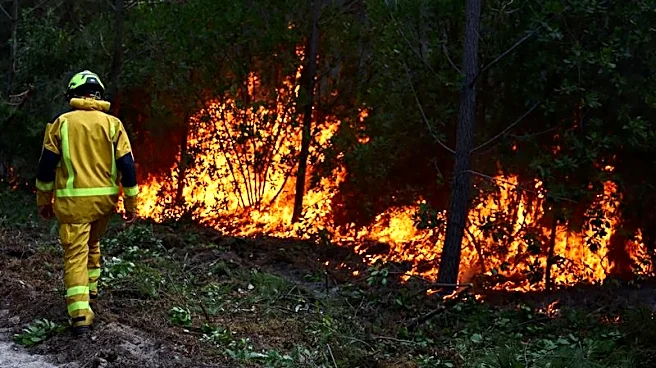
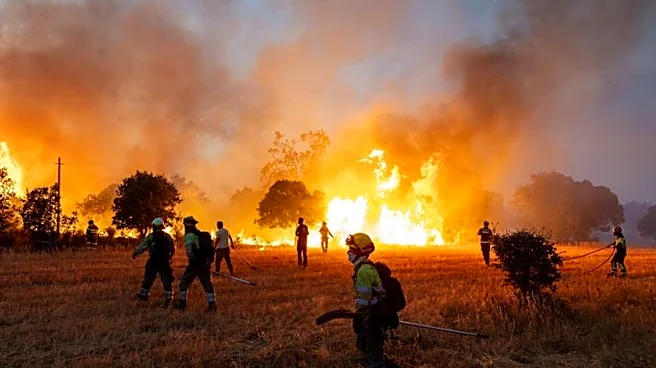
In southwestern France, volunteers are joining firefighters to combat extensive wildfires fueled by extreme heat and dry conditions. The fires have devastated approximately 162 square miles of forest, forcing nearly a quarter-million people to evacuate
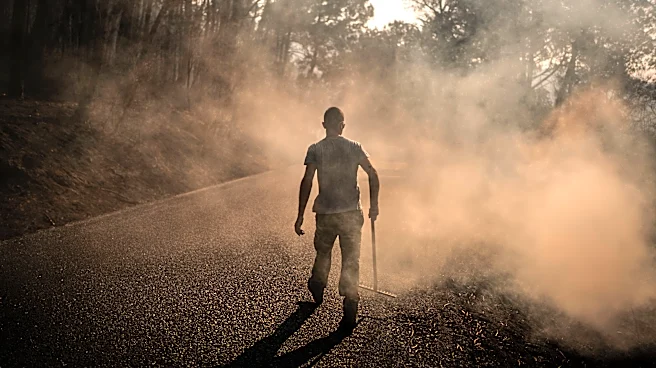
their homes. Volunteers like Jean-François Pauner are using basic tools to manage flare-ups and protect their communities. The wildfires are part of a broader pattern of extreme weather across Europe, with countries like the UK, Spain, and Greece also battling blazes. French authorities have allowed some evacuees to return home as cooler weather moves in, but the situation remains precarious with ongoing hot spots.
Why It's Important?
The wildfires in France highlight the increasing frequency and intensity of natural disasters linked to climate change. These events have significant social and economic impacts, displacing thousands and straining emergency services. The volunteer efforts underscore the importance of community resilience and the need for coordinated responses to environmental crises. The situation also raises questions about land management practices and the role of government policies in mitigating the effects of climate change. As Europe faces a hotter and drier climate, the need for sustainable solutions and international cooperation becomes more urgent.
What's Next?
As the immediate threat of the wildfires subsides, attention will likely turn to recovery and prevention efforts. Authorities may implement stricter land management and fire prevention measures to reduce future risks. The involvement of international aid, such as Ukraine's support, suggests a growing recognition of the need for cross-border collaboration in addressing climate-related challenges. Policymakers may also face increased pressure to develop comprehensive strategies to combat climate change and its impacts on vulnerable regions.
Beyond the Headlines
The wildfires in France are a stark reminder of the broader environmental challenges facing the world. They highlight the ethical responsibility of nations to address climate change and protect vulnerable populations. The situation also reflects the cultural and social dimensions of environmental crises, as communities come together to support one another in times of need. The role of volunteers in these efforts underscores the power of collective action and the importance of fostering a sense of shared responsibility for the planet's future.