





What's Happening?
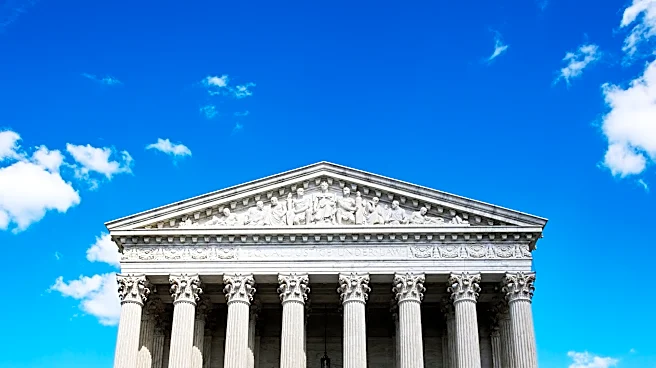
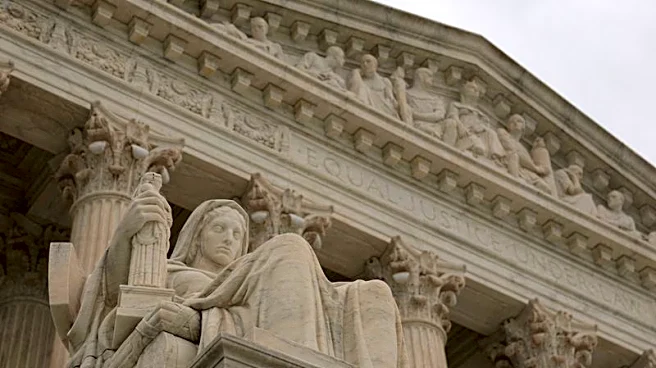
The U.S. Supreme Court has declined to hear a lawsuit filed by Florida against California and Washington. Florida accused these states of making it too easy for undocumented immigrants to obtain commercial driver's licenses. The lawsuit claimed that California and Washington were
not adequately verifying the immigration status of applicants or ensuring their English proficiency, as required by federal law. Florida argued that this negligence forced the state to implement costly safety measures. The Supreme Court's decision was issued without explanation, though Justices Clarence Thomas and Samuel Alito dissented, expressing that they would have allowed the lawsuit to proceed. The case was partly motivated by a fatal accident in Florida involving an undocumented immigrant driver who had previously held licenses from California and Washington.
Why It's Important?
This decision by the Supreme Court highlights ongoing tensions between states over immigration policies and their enforcement. Florida's lawsuit reflects broader national debates about state versus federal responsibilities in immigration control and public safety. The rejection of the case may embolden states like California and Washington to continue their current licensing practices, potentially influencing other states to adopt similar policies. Conversely, it may prompt states like Florida to seek alternative legal or legislative avenues to address their concerns. The case also underscores the complexities of balancing state sovereignty with federal immigration laws, a contentious issue in U.S. politics.
What's Next?
Following the Supreme Court's decision, Florida may explore other legal strategies or legislative measures to address its concerns about immigrant drivers. The state could potentially lobby for federal legislative changes to tighten requirements for commercial driver's licenses. Meanwhile, California and Washington are likely to maintain their current practices, possibly facing political pressure from states with opposing views. The decision may also influence future legal battles over state-level immigration policies, as states navigate the interplay between state rights and federal oversight.