






What's Happening?
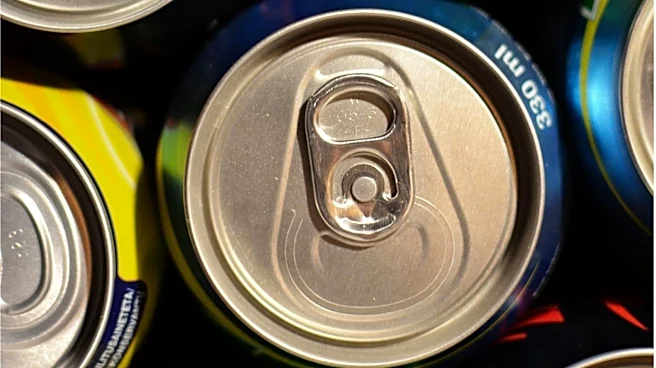
Recent discussions among health experts have highlighted the potential dangers associated with the consumption of energy drinks, particularly due to their high caffeine content. According to the American Heart Association (AHA), while moderate coffee
consumption is generally considered safe and may even offer cardiovascular benefits, energy drinks and energy shots pose a different risk profile. These beverages often contain significantly higher caffeine levels per ounce compared to standard coffee, which can lead to increased blood pressure and irregular heart rhythms. The AHA's statement emphasizes that up to 400 mg of caffeine per day from coffee is safe for most adults, but the same cannot be said for energy drinks, which are less studied and may not offer the same health benefits as coffee.
Why It's Important?
The growing popularity of energy drinks, especially among younger demographics, raises public health concerns. The high caffeine content in these drinks can lead to adverse cardiovascular effects, including hypertension and arrhythmias, which are particularly concerning for individuals with pre-existing heart conditions. The AHA's cautionary stance underscores the need for consumers to be aware of the potential health risks associated with excessive caffeine intake from energy drinks. This awareness is crucial as it can influence consumer behavior, potentially leading to a decrease in the consumption of these high-caffeine products and a shift towards safer alternatives like moderate coffee consumption.
What's Next?
As awareness of the potential health risks associated with energy drinks grows, there may be increased calls for regulatory actions to limit caffeine content in these beverages or to mandate clearer labeling. Health organizations and policymakers might push for more comprehensive studies to better understand the long-term effects of energy drink consumption. Additionally, educational campaigns could be launched to inform the public about the differences between caffeine sources and the associated health implications.