




What's Happening?
Senator Mark Kelly (D-AZ), Elissa Slotkin (D-MI), and a bipartisan group of their colleagues, including Senator Ben Ray Luján (D-NM), have sent a letter to Secretary of Defense Pete Hegseth demanding a comprehensive accounting of the costs associated
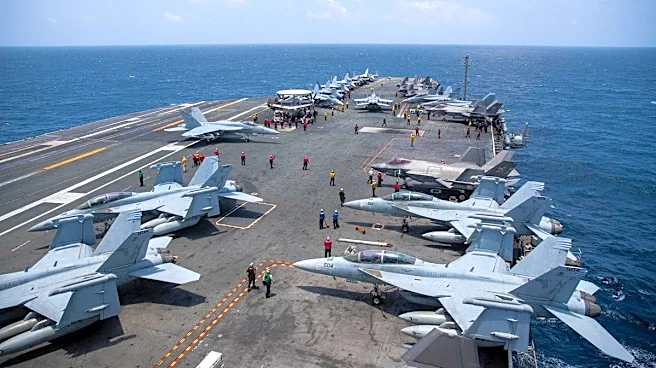
with the ongoing war with Iran. The senators criticized the Department of Defense for withholding crucial budget information from Congress and the American public, despite increasing U.S. casualties and taxpayer expenses. The letter highlights that the conflict, which President Trump initially stated would last six weeks, has now extended beyond six months, resulting in 18 American servicemember deaths and over 820 wounded. More than 50,000 troops are currently deployed to the Middle East, with deployments repeatedly extended, causing concern among military families. The senators also pointed out that American taxpayers have incurred an additional $100 billion in higher gas and diesel prices and at least $60 billion in increased costs for groceries, mortgages, and plane tickets due to the war.
Why It's Important?
This demand for transparency is critical for congressional oversight and public accountability regarding military engagements. The lack of detailed financial information and strategic planning for a prolonged conflict raises significant concerns about fiscal responsibility and the decision-making process in national security. The substantial financial burden on American taxpayers, coupled with the human cost of casualties and extended deployments, underscores the need for clear justification and a defined strategy. Without adequate information, Congress cannot effectively fulfill its constitutional role in authorizing military action and appropriating funds, potentially leading to unchecked executive power and a loss of public trust. The comparison to past wartime transparency practices further emphasizes the perceived inadequacy of the current administration's communication with legislative bodies and the public.
What's Next?
The senators are requesting specific information from the Department of Defense, including a detailed breakdown of all direct and indirect costs of military operations against Iran, a full accounting of the $67 billion supplemental request distinguishing between past and future costs, and a detailed plan for spending the remaining $34 billion from the One Big Beautiful Bill Act. Secretary Hegseth is expected to respond to these demands, potentially providing the requested information or offering a justification for the current level of transparency. Depending on the response, Congress may pursue further actions, such as holding hearings, issuing subpoenas, or attempting to legislate greater oversight over military spending and deployments. The ongoing pressure from senators like Kelly and Slotkin indicates a continued push for accountability regarding the war's financial and strategic implications.
Beyond the Headlines
The controversy surrounding the costs and transparency of the Iran war reflects a broader tension between the executive and legislative branches regarding military engagements. The criticism that the war was launched without congressional authorization and a clear strategic plan highlights constitutional debates over war powers. This situation also brings to light the economic ripple effects of military conflicts, demonstrating how geopolitical events can directly impact the daily lives and finances of American citizens through increased costs for essential goods and services. The demand for detailed financial breakdowns also speaks to the evolving nature of modern warfare, where the economic impact extends far beyond direct military expenditures. This ongoing debate could influence future legislative efforts to redefine the scope of presidential authority in deploying troops and engaging in prolonged conflicts.