







What's Happening?
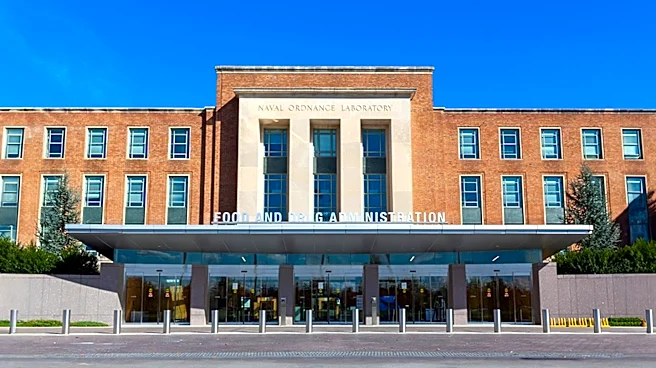
Yale University, in collaboration with CRRIT and CSPI, hosted a convening on July 30, 2026, focusing on PDUFA VIII and opportunities for FDA reform. The event, held in New Haven, CT, included a panel discussion titled 'Reimagining FDA User Fees,' featuring
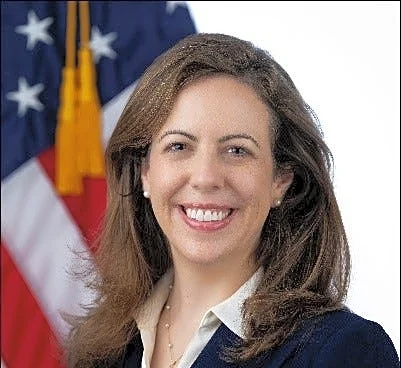
Daniel Aaron from Utah Law. This gathering brought together experts to discuss the future of the Food and Drug Administration's corporate funding mechanisms and potential pathways for reform or abolition of user fees. The discussions are part of ongoing academic and policy efforts to scrutinize and improve the FDA's operational and financial structures.
Why It's Important?
Discussions surrounding FDA user fees are critical because these fees constitute a significant portion of the agency's funding, particularly for drug and device reviews. The structure and application of these fees can influence the speed of product approvals, the types of research prioritized, and ultimately, public health outcomes. Reimagining these fees could lead to more efficient regulatory processes, enhanced public trust, and a more equitable system for pharmaceutical and medical device development. The involvement of academic institutions like Yale and experts like Daniel Aaron underscores the intellectual rigor applied to these complex policy challenges, aiming to shape future legislative and regulatory frameworks.
What's Next?
The insights and recommendations generated from the Yale convening on FDA reform and user fees are likely to inform ongoing policy debates and legislative efforts. Daniel Aaron's draft white paper, 'Reimagining FDA’s Corporate Funding: Pathways to Reform or Abolition of User Fees,' and his published work, 'Fireproofing the FDA: Power, Politics, and Public Health,' indicate a sustained academic focus on these issues. These discussions could influence future iterations of the Prescription Drug User Fee Act (PDUFA) and other FDA funding mechanisms, potentially leading to significant changes in how the agency operates and is funded, with direct implications for the pharmaceutical industry and public health.
Beyond the Headlines
The debate over FDA user fees touches upon fundamental questions about the independence and integrity of regulatory bodies. Critics often argue that reliance on industry funding can create perceived or actual conflicts of interest, potentially compromising the agency's ability to act solely in the public's best interest. Conversely, proponents argue that user fees are essential for the FDA to maintain its scientific expertise and keep pace with rapid advancements in medical technology. This convening at Yale highlights the ongoing tension between funding needs, regulatory efficiency, and the imperative to safeguard public health, reflecting a broader challenge in balancing innovation with oversight in critical sectors.