







What's Happening?
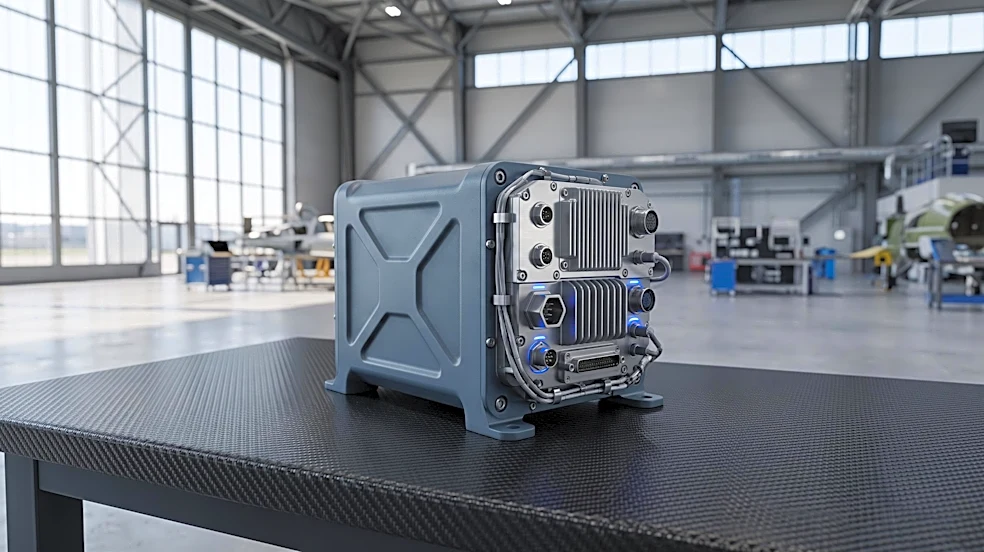
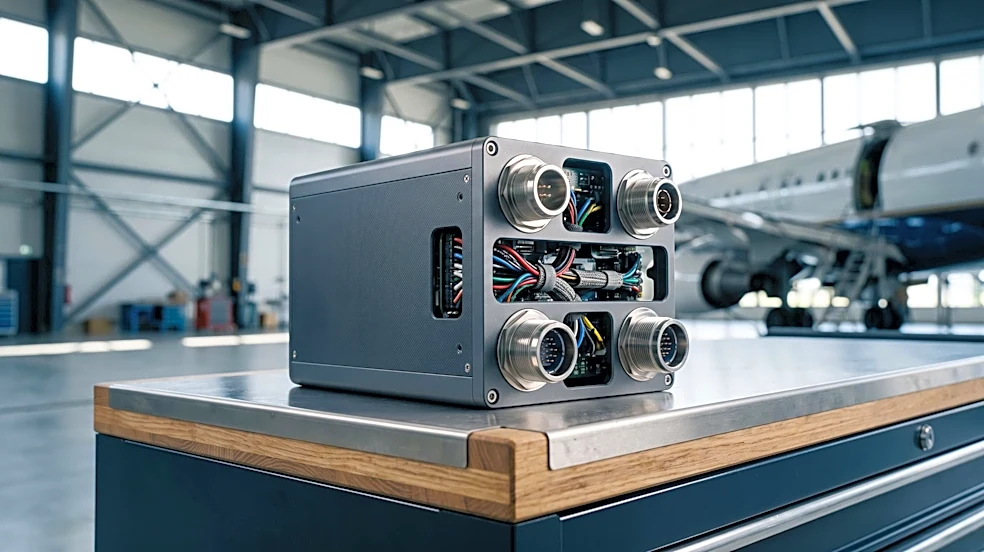
Collins Aerospace, an RTX business, has announced upgrades for its family of radio altimeters to help business aviation operators comply with new Federal Aviation Administration (FAA) operational standards. These upgrades provide a simplified path for existing
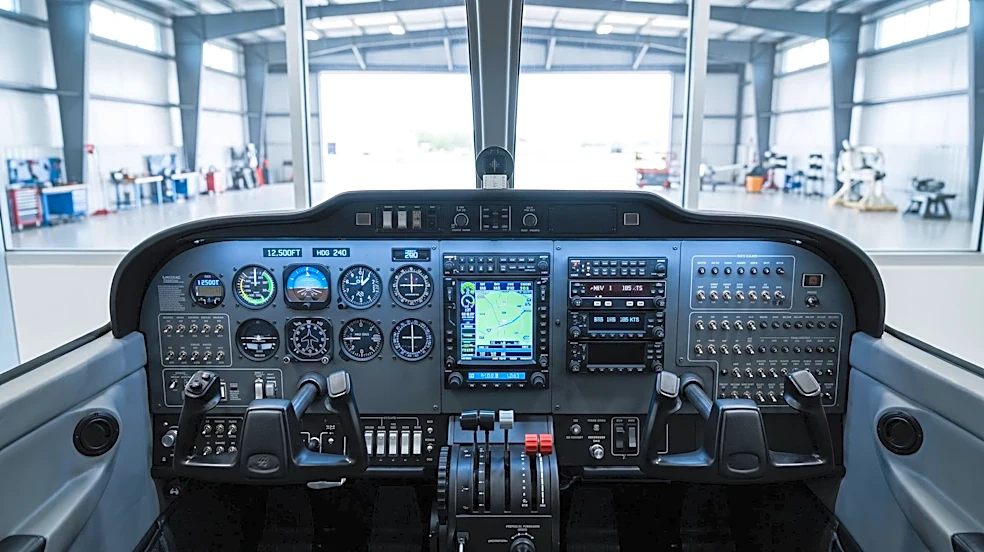
radio altimeter variants to meet the new FAA requirements, demonstrating resilience to 5G interference without necessitating the replacement of entire systems. Craig Bries, vice president and general manager of Airborne Electronics at Collins Aerospace, stated that these updates aim to simplify compliance for business aviation operators while enhancing safety, strengthening connectivity, and supporting precise navigation. Collins' radio altimeters are crucial for providing accurate measurements of an aircraft's height above terrain, supporting critical functions like automatic flight control, cockpit displays, and warning systems. The systems are engineered to filter out false altitude returns from structures, other aircraft, or ground features.
Why It's Important?
The introduction of new FAA operational standards, particularly in response to increased wireless spectrum use like 5G, poses a significant challenge for the aviation industry. Radio altimeters are vital safety components, and ensuring their resilience against interference is paramount for maintaining operational safety and reliability. Collins Aerospace's upgrade path offers a practical solution for business aviation operators to achieve compliance, avoiding the substantial costs and logistical complexities associated with full system replacements. This initiative is critical for the continued safe operation of aircraft in U.S. airspace, as tens of thousands of aircraft will require these updates. By providing a clear and efficient upgrade process, Collins Aerospace is helping to mitigate potential disruptions and ensure that aircraft can continue to operate safely and effectively under the new regulatory environment.
What's Next?
Collins service centers are scheduled to begin providing these radio altimeter upgrades in 2027. This will be part of a multi-year effort to bring business aviation fleets into compliance with the new FAA standards. Operators are advised to schedule their upgrades early to avoid potential delays, given the large number of aircraft that will require updates to meet upcoming deadlines. These upgrades are part of Collins Aerospace's broader airspace modernization efforts, which include introducing new capabilities and strengthening existing systems to make aviation more resilient, connected, and capable as air traffic, technology, and operational demands continue to grow. The company will likely continue to work closely with the FAA and aviation operators to ensure a smooth transition and full compliance across the business aviation sector.
Beyond the Headlines
The issue of 5G interference with aircraft radio altimeters highlights the complex interplay between technological advancements in different sectors and the need for regulatory frameworks to manage potential conflicts. As wireless technologies evolve and spectrum usage intensifies, similar challenges may arise in other critical infrastructure areas. This situation underscores the importance of proactive collaboration between telecommunications regulators, aviation authorities, and industry stakeholders to ensure safety and operational integrity. The development of resilient avionics, capable of operating effectively in increasingly crowded electromagnetic environments, will be a continuous challenge for aerospace manufacturers. This also points to the broader trend of modernizing aviation infrastructure to adapt to new technologies and maintain high safety standards in an ever-evolving technological landscape.