


What's Happening?
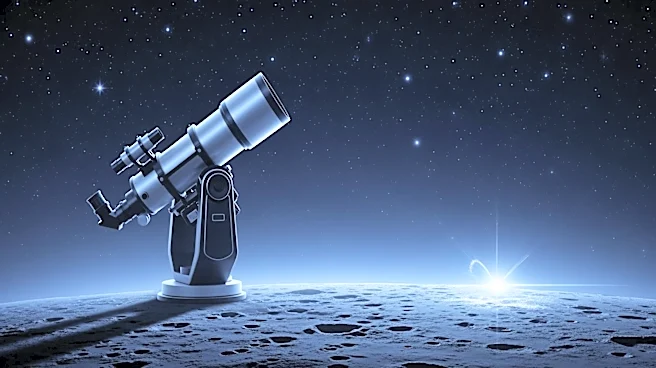
NASA's Impact Flash project is calling on volunteers to help record flashes of light on the Moon caused by meteoroid impacts. During the Artemis II mission, astronauts observed these flashes, and volunteers on Earth used telescopes to capture and share
their own observations. The project, led by Ben Fernando from Los Alamos National Laboratory, aims to understand the nature and origin of these impactors and the craters they form. Volunteers with telescopes four inches in diameter or greater are encouraged to participate by submitting their observations, which will help determine the current impact rate on the Moon.
Why It's Important?
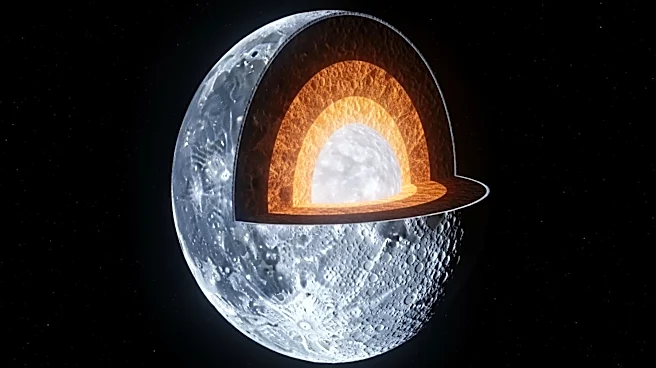
The data collected from this citizen science initiative will enhance our understanding of lunar impacts and contribute to future lunar exploration missions. By analyzing the flashes and their associated moonquakes, scientists can gain insights into the Moon's interior structure. This information is crucial for planning future missions and understanding the Moon's geological history. The project also fosters public engagement in space science, allowing amateur astronomers to contribute to significant scientific research.
What's Next?
The Impact Flash team plans to use the collected data to study moonquakes, which are similar to earthquakes, to further explore the Moon's subsurface. They intend to deploy seismometers on the Moon to measure ground tremors and correlate them with observed impact flashes. This research will provide a clearer picture of the Moon's internal composition and dynamics. Continued volunteer participation is essential for the project's success, and NASA encourages more amateur astronomers to join the effort.